
Categories
SellingPublished August 3, 2026
Best Home Improvements Before Selling in Hampton Roads

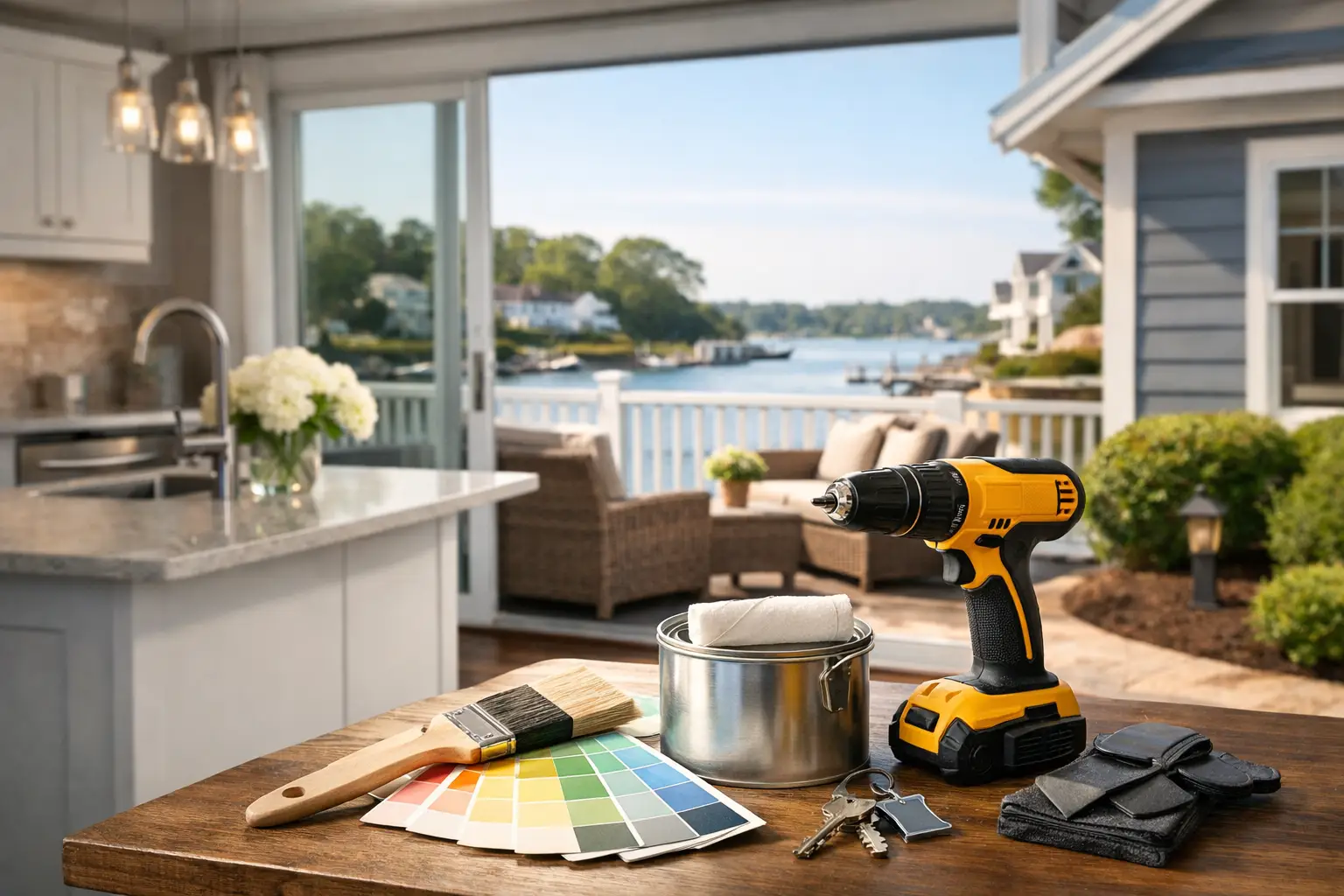
A buyer’s first impression starts before they open the front door. In Hampton Roads, that impression may be shaped by a salt-weathered exterior in Virginia Beach, a dated kitchen in Yorktown, or a repair item that stands out during a showing in Newport News. The best home improvements before selling are not necessarily the most expensive ones. They are the updates that make buyers feel confident, help your home show well, and support a realistic asking price.
The goal is not to renovate your home for your own long-term enjoyment. It is to make smart, market-aware choices that reduce objections and help buyers picture themselves living there. What makes sense depends on your home’s condition, price range, neighborhood, and competition. A focused plan usually delivers more value than a long list of cosmetic projects.
Start With Repairs That Could Stop a Sale
Before choosing paint colors or replacing light fixtures, address deferred maintenance. Buyers can overlook a cabinet pull they do not love. They are much less likely to overlook a roof stain, an active leak, a nonfunctioning HVAC system, or visible wood rot.
In Coastal Virginia, moisture and weather exposure can make these concerns especially important. A seller should take a close look at the roof, gutters, siding, windows, crawl space, exterior trim, and drainage around the home. If water is not moving away from the foundation, or if the crawl space shows signs of excess moisture, buyers may worry about what they cannot see.
The same principle applies inside. Repair dripping faucets, loose railings, cracked tiles, damaged screens, sticking doors, and outlets or switches that do not work properly. Have major systems serviced if they are due, particularly heating and cooling equipment. Keep receipts and service records available. Documentation does not erase the age of an item, but it can show buyers that the home has been responsibly maintained.
You do not need to preemptively repair every possible issue. Some repairs are better handled through negotiation after an inspection, especially if the work is expensive or the buyer may prefer a credit. But visible defects and known safety concerns should rarely be ignored. They can weaken buyer confidence before negotiations even begin.
Improve Curb Appeal Where Buyers Decide Quickly
Curb appeal is one of the best home improvements before selling because it affects online photos, drive-by impressions, and the first minute of every showing. Fortunately, it does not require a full landscape redesign.
Start with the basics: mow and edge the lawn, trim overgrown shrubs, remove dead plants, pressure-wash walkways, and clear leaves from beds and gutters. A freshly painted front door, clean house numbers, a working porch light, and a new welcome mat can make an entry feel cared for without stretching the budget.
For homes near the coast, pay extra attention to exterior surfaces affected by humidity, salt air, and storms. Faded shutters, peeling trim, rusted hardware, and mildew on siding can signal neglect even when the home is structurally sound. Cleaning and touch-up painting may be enough. Replacing all siding or landscaping an entire yard is usually unnecessary unless comparable homes in your price range clearly set a higher standard.
Use Paint and Lighting to Make the Home Feel Brighter
Fresh interior paint remains one of the most reliable pre-listing investments. It photographs well, makes rooms feel cleaner, and helps buyers focus on the home rather than the previous owner’s style. Neutral does not have to mean bland. Soft warm whites, light greiges, and muted beige tones tend to create a calm backdrop for a wide range of buyers.
Paint is especially helpful if walls are heavily marked, rooms are painted in highly personal colors, or there are visible touch-ups from years of everyday living. Focus first on high-traffic areas, the entry, kitchen, main living spaces, and primary bedroom. If the budget is limited, a careful paint refresh in these areas can have more impact than painting every closet.
Lighting deserves the same attention. Replace burned-out bulbs, use matching bulb temperatures, and open blinds before showings. Dark rooms can feel smaller and less inviting, even when their square footage is strong. In some homes, replacing a dated dining-room fixture or vanity light is worthwhile. Avoid installing trendy fixtures simply because they are trendy. The finish and scale should fit the house.
Make the Kitchen and Baths Feel Clean, Not Brand-New
Kitchens and bathrooms influence buyer perception, but full remodels before selling can be risky. A major renovation may not return its full cost, particularly if buyers have different preferences for cabinetry, counters, or tile. It can also delay your listing timeline.
A better approach is often a targeted refresh. Deep-clean cabinets, grout, appliances, and fixtures. Repair loose hinges and drawers. Replace worn caulk around tubs and sinks. If cabinet boxes are in good condition, updated hardware or professionally refinished doors can provide a meaningful visual improvement at a fraction of the cost of replacement.
In a kitchen, dated or damaged countertops may justify replacement if they are visibly hurting the room. Choose a durable, broadly appealing material that matches the level of the home and nearby comparable properties. In bathrooms, an updated mirror, light fixture, faucet, or vanity top can improve the look without triggering a full remodel.
The key is consistency. Buyers notice when one room has been updated beautifully while another feels neglected. That does not mean every room needs the same finishes. It means the home should feel maintained from space to space.
Prioritize Flooring When It Is Worn or Distracting
Flooring can change how buyers perceive an entire house. Stained carpet, cracked vinyl, damaged hardwood, or multiple flooring types in adjacent rooms may distract from the home’s best features.
Professional carpet cleaning is a sensible first step when carpet is in decent condition. If it is worn, heavily stained, or carries odors, replacement may be the better decision. Choose a neutral, practical option rather than a premium material that may not align with buyer tastes.
Hardwood floors often deserve restoration if they can be refinished affordably. Buyers appreciate original wood floors, especially in established neighborhoods across Hampton and Williamsburg. However, refinishing is not always necessary for minor wear. A thorough cleaning and a few touch-ups may be sufficient if the floor has character but remains functional.
Do Not Overbuild for Your Neighborhood
The most common pre-sale mistake is spending heavily on improvements that the local market will not reward. A luxury kitchen in a modestly priced neighborhood may attract attention, but it does not guarantee a matching increase in sale price. The same is true for elaborate landscaping, high-end smart-home features, or a custom room conversion that reduces flexible living space.
Before committing to a project, compare your home with recently sold properties and active competition nearby. Are buyers in your area responding to renovated kitchens, updated bathrooms, newer roofs, or outdoor living areas? Is your home already among the more updated options? The answers should guide your spending.
This is particularly relevant across Hampton Roads because buyer expectations can vary widely by community, school zone, home age, and proximity to military installations or employment centers. A project that makes sense for a newer Chesapeake home may not be the right move for a historic Williamsburg property or a waterfront home in Poquoson.
Prepare for Photos, Showings, and Inspections
Some of the most effective improvements are not renovations at all. Decluttering, depersonalizing, cleaning, and arranging furniture to show a room’s purpose can make a home feel larger and easier to understand. Remove excess items from counters, closets, and shelves. Buyers will open closets and cabinets, so storage areas should look usable rather than overfilled.
If possible, complete repairs and cleaning before professional listing photos are taken. Your online presentation has one job: earn the showing. Once buyers arrive, a clean home with accessible systems, labeled keys, and clear maintenance records helps reinforce the confidence created by the photos.
A pre-listing walkthrough with a local real estate professional can help you separate worthwhile updates from expensive distractions. Horak Realty Group can help you build a plan around your home, timeline, and local competition, so your preparation supports a stronger sale rather than simply adding work.
The right improvements should leave buyers thinking, “This home has been cared for.” That feeling is often more valuable than a dramatic renovation, and it gives you a better foundation for a confident, well-prepared listing.

Ashley Horak
Owner | Realtor ® | Coach | Horak Realty Group | REMAX Elevate
or another way