
Categories
BuyingPublished June 12, 2026
Buying a Waterfront Home: What to Know

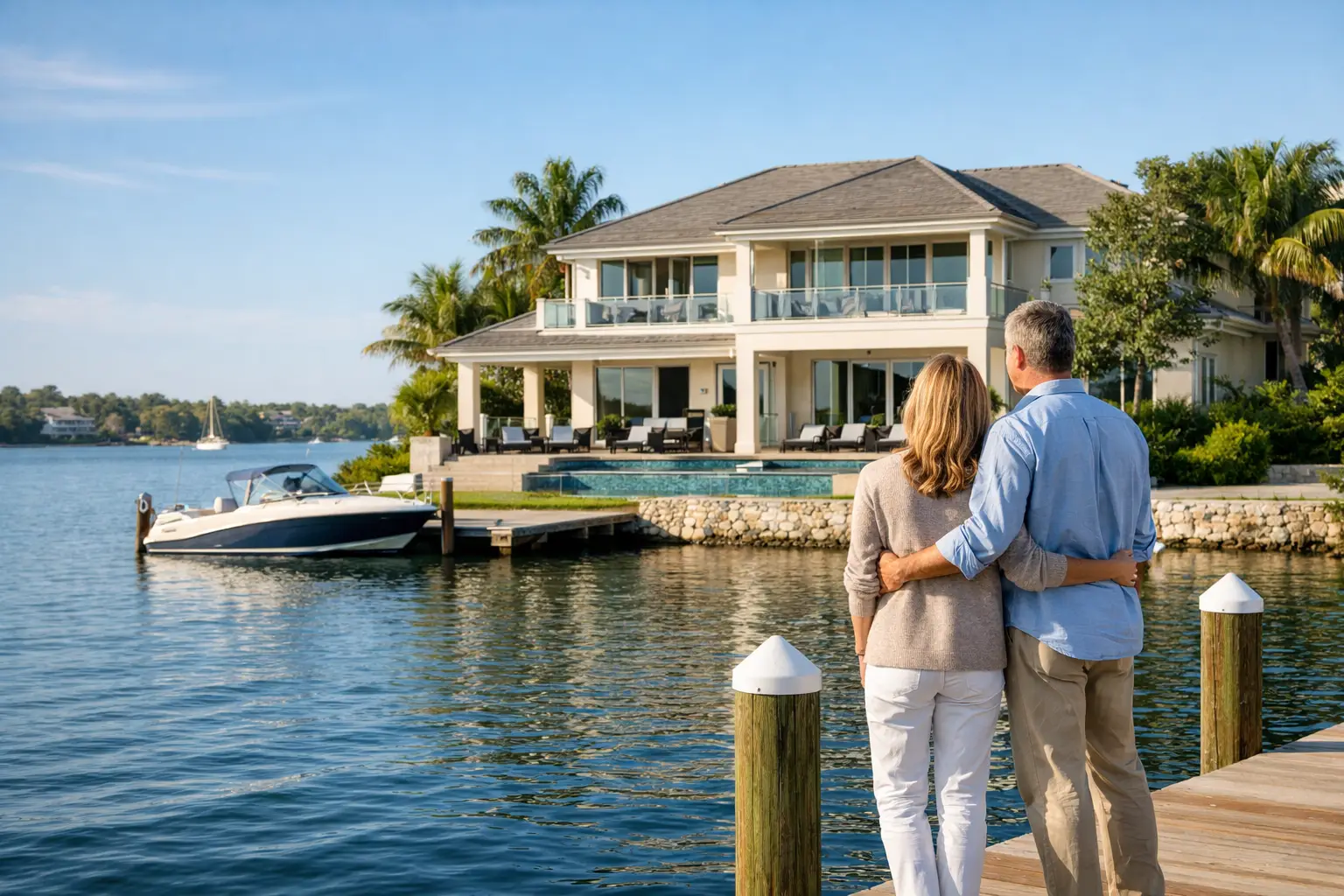
That first water view can make every practical question feel a little less urgent. Then the real work starts. If you're buying a waterfront home, the right decision comes down to more than scenery - it comes down to how the property lives, what it costs to maintain, and whether it truly fits your goals long term.
In Hampton Roads and across the Virginia Peninsula, waterfront homes range from riverfront retreats and creekside properties to bay access homes and neighborhoods with private docks. They can be incredible places to live, but they also come with details that buyers should understand before making an offer. A home on the water can be a smart and deeply rewarding purchase. It just needs a closer look than many buyers expect.
Why buying a waterfront home is different
A waterfront purchase is part lifestyle decision and part risk assessment. You're not only evaluating the house itself. You're also evaluating shoreline conditions, flood exposure, insurance costs, erosion patterns, access to the water, and any restrictions that affect how you use the property.
Two homes with similar square footage and finishes can have very different ownership costs if one sits in a higher-risk flood zone or needs bulkhead repairs. Even the type of water matters. A quiet cove may offer calmer views and easier kayak access, while open water may bring wider vistas, stronger winds, and more wear on the home over time.
That doesn't mean waterfront is too complicated. It means buyers benefit from slowing down and asking better questions early.
Start with the water, not just the house
When people picture a waterfront property, they often focus on the view from the back deck. That's understandable, but the water itself deserves a closer look.
Ask what kind of waterfront you're buying. Is it deep water or shallow water? Tidal or non-tidal? Can a boat dock there at low tide, or is it more suitable for paddleboards and smaller watercraft? Is the shoreline natural, reinforced, or showing signs of erosion? These answers affect both enjoyment and future costs.
Access matters too. Some properties are technically waterfront but offer limited practical use of the shoreline. Others may include a pier, dock, boat lift, or bulkhead, each with its own maintenance needs and permitting considerations. If using the water is part of your lifestyle plan, make sure the property supports that plan in real terms, not just in listing language.
Flood zones, insurance, and monthly costs
One of the biggest mistakes buyers make is underestimating the full monthly cost of waterfront ownership. Mortgage payment is only part of the picture.
Flood insurance may be required by a lender depending on the property's flood zone and financing type. Even when it's not required, some buyers choose to carry it for protection. Premiums can vary widely based on elevation, prior claims history, the home's construction, and current insurance market conditions.
You'll also want a clear understanding of standard homeowners insurance, wind and storm exposure, and any additional coverage recommendations. In coastal Virginia, this conversation is not optional. Insurance costs can shape affordability just as much as interest rates and taxes.
For that reason, it's smart to request insurance estimates early in the process, ideally before you're emotionally committed to one property. A home that looks comfortably within budget on paper may feel very different once all carrying costs are included.
Inspections matter more here
Every buyer should take inspections seriously, but waterfront homes call for extra attention. Moisture, salt air, wind exposure, and drainage patterns can age materials faster than buyers realize.
A general home inspection is the starting point, not the finish line. Depending on the property, you may also need specialized review of the roof, foundation, crawl space, seawall or bulkhead, pier, dock, boat lift, septic system, or private well. Wood-destroying insect inspections are especially important in homes with elevated moisture exposure.
Pay attention to grading and drainage around the lot. Water moving toward the home instead of away from it can create long-term problems, especially during heavy rain. If the property has a crawl space, signs of standing water, excessive humidity, or deferred maintenance deserve a closer look.
The goal is not to find a perfect property. Most homes have some issues. The goal is to understand which issues are cosmetic, which are manageable, and which may affect safety, use, or long-term value.
Waterfront rules and restrictions to check
Buying a waterfront home can also mean buying into a set of regulations that don't apply to an inland property.
Some homes are subject to local shoreline rules, environmental protections, HOA restrictions, or permit requirements related to docks, lifts, clearing vegetation, or making changes near the water. If there's already a pier or bulkhead, ask whether permits were properly obtained and whether there are records for past work.
If you plan to add features later, such as a dock extension, pool, or outdoor kitchen, don't assume the lot will allow it. Setbacks, easements, floodplain limits, and waterfront regulations can narrow your options.
This is one area where local guidance matters. A home can look ideal during a showing but have practical limitations that only come up during due diligence.
Understand resale before you buy
It may sound strange to think about resale before you've even moved in, but it's one of the healthiest ways to evaluate a waterfront property.
Some waterfront homes have broad appeal because they combine a view with manageable upkeep, easy access, and a location close to everyday conveniences. Others are more niche. A steep lot, limited parking, unusual water access, or heavy maintenance demands can affect how future buyers respond.
Condition matters even more at the higher end of the market. Buyers paying a premium for waterfront living usually expect the full experience - strong presentation, well-maintained exterior elements, and no major uncertainty around structural or shoreline issues.
That doesn't mean you should avoid a property with quirks. It means you should understand whether you're paying a fair price for those trade-offs.
Lifestyle questions that deserve honest answers
Waterfront living is personal. For some buyers, it means fishing from the dock at sunrise. For others, it means quiet evenings, open views, and a sense of space that's hard to get elsewhere.
But there are practical realities too. Are you comfortable with more exterior maintenance? Are you ready for the possibility of higher insurance costs and storm prep? Do you want a full-time residence or a second-home feel? Is privacy important, or would you rather be in a neighborhood with shared amenities and easier upkeep?
The right waterfront home is not always the most dramatic one. Sometimes it's the property with the better elevation, the calmer water, the shorter commute, or the simpler maintenance profile. Matching the home to your daily life is usually what makes buyers happiest after closing.
Buying a waterfront home in Coastal Virginia
In this region, local conditions can change quickly from one community to the next. Waterfront in Yorktown may offer a different experience than waterfront in Gloucester, Poquoson, Smithfield, or Virginia Beach. Even within the same city, one creek or riverfront setting can have different flood patterns, shoreline conditions, and price points than another a few miles away.
That's why local market knowledge matters so much when buying a waterfront home. Comparable sales, insurance expectations, lot characteristics, and neighborhood trends all need context. A strong purchase strategy is not just about offering the right number. It's about knowing what questions to ask before you write the offer.
At Horak Realty Group, that means helping buyers look past the first impression and evaluate the property as a whole - the home, the land, the water, and the long-term fit.
A smart way to move forward
If you're serious about waterfront, begin with clarity. Know your monthly comfort zone, your intended use of the property, and the trade-offs you're willing to accept. Then narrow the search with those priorities in mind.
The best waterfront purchase is rarely the one that simply photographs well. It's the one that gives you confidence when the inspection report comes back, when the insurance quote arrives, and when you picture yourself living there five years from now. A beautiful view should feel exciting. It should also make sense.

Ashley Horak
Owner | Realtor ® | Coach | Horak Realty Group | REMAX Elevate
or another way