
Categories
BuyingPublished July 9, 2026
Buying Hampton Waterfront Properties

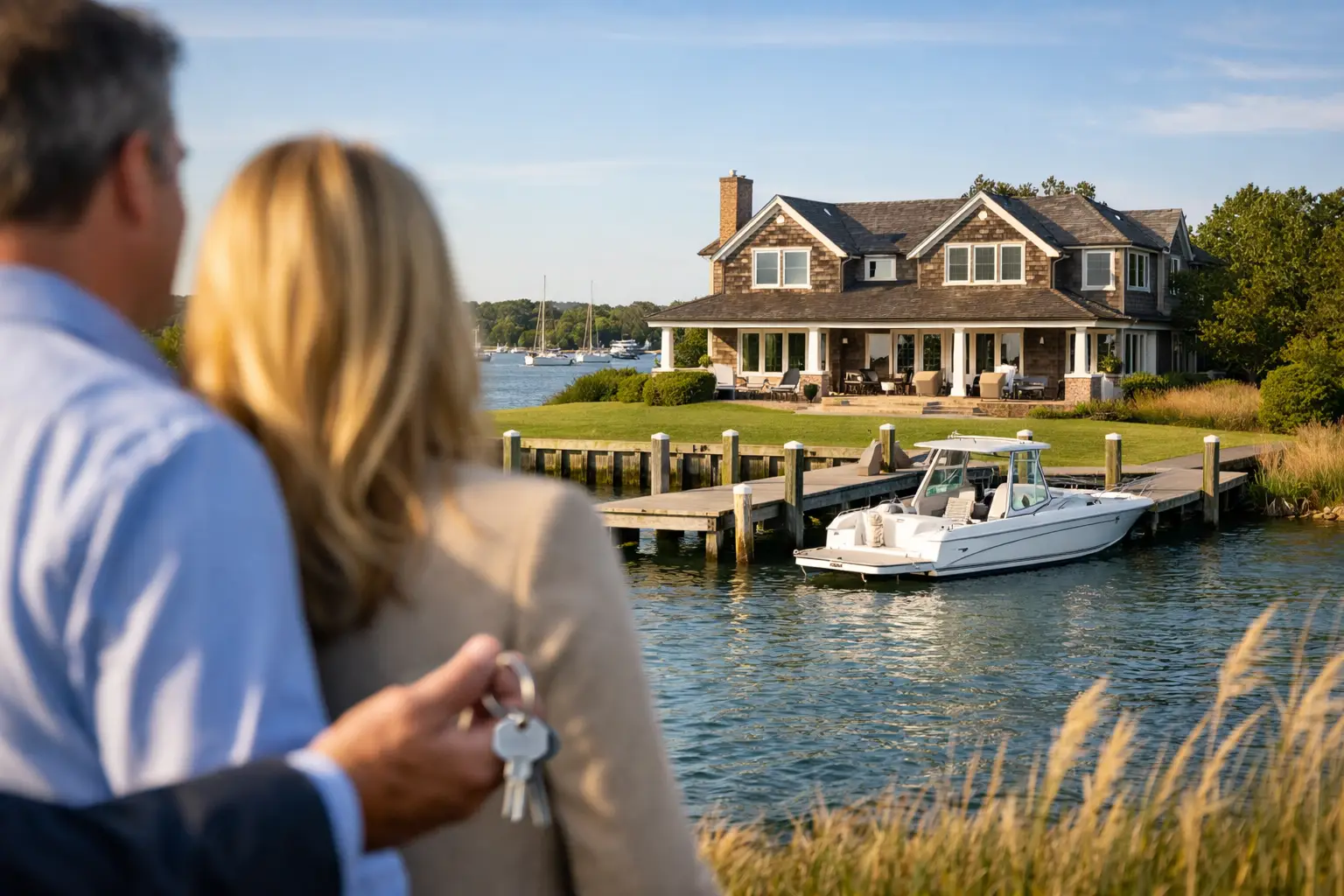
The view can make an immediate impression, but buying hampton waterfront properties is rarely just about the view. In Hampton, the water shapes everything from insurance costs and maintenance needs to resale value and how you use the home day to day. For some buyers, that trade-off is absolutely worth it. For others, a property one or two streets off the water may offer a better fit with fewer long-term surprises.
What makes Hampton waterfront properties different
Waterfront homes in Hampton appeal to buyers for obvious reasons - access to the Chesapeake Bay, creek and river views, boating potential, and a setting that feels more open and relaxed than many inland neighborhoods. But waterfront is not one single category. A home on a protected inlet can offer a very different ownership experience than a property exposed to wind, waves, and changing shoreline conditions.
That difference matters when you are comparing price, upkeep, and future resale. Two homes may both be marketed as waterfront, yet one may have easier water access, a stronger bulkhead, lower flood risk, or a lot shape that makes the backyard more usable. Buyers who focus only on square footage or interior finishes can miss the factors that really drive long-term satisfaction.
In Hampton, location also affects lifestyle. Some owners want a peaceful place to watch the water from the porch. Others want to launch a kayak, keep a boat behind the house, or entertain outside for much of the year. Those are not the same buying goals, and the right property for one buyer may be the wrong one for another.
Start with the kind of waterfront lifestyle you want
Before looking at listings, it helps to get specific. Do you want deep water access, or is a broad water view enough? Do you need an existing dock, or would you be comfortable researching whether one can be added later? Are you hoping for a primary residence, a second home feel, or a property that supports a more flexible work-from-home lifestyle?
These questions shape your search more than many buyers expect. A house with a beautiful shoreline may still disappoint if the water is too shallow for your boat or if the yard drops off in a way that limits access. A smaller home with better orientation to the water may serve you better than a larger property where the best feature is hidden from the main living areas.
This is also where budget reality comes in. Waterfront premiums are real, and they do not stop at the purchase price. If stretching to buy means having no room for insurance changes, storm-related repairs, or dock work, the property can become stressful instead of enjoyable.
Not all water frontage has the same value
A bayfront setting, a creekfront lot, and a riverfront home can all carry different price points and practical benefits. Views, privacy, wave action, navigability, and lot elevation all influence value. In some cases, a calmer waterfront setting with less dramatic open-water exposure can be more usable and less demanding to maintain.
That is why buyers should avoid assuming the most expensive waterfront option is automatically the best one. The right match depends on how you plan to live in the home.
The real costs behind Hampton waterfront properties
The biggest mistake buyers make with waterfront homes is underestimating ownership costs. Taxes, standard home maintenance, and utilities are only part of the picture. Waterfront ownership often brings a different level of attention to exterior systems and site conditions.
Flood insurance is one of the first things to verify. Even if a home has never flooded during the current owner’s time there, the property’s flood zone, elevation, and lender requirements still matter. Insurance premiums can vary widely, and those numbers should be reviewed early, not after you are emotionally committed.
Then there is the condition of the shoreline itself. Depending on the property, you may be looking at a bulkhead, revetment, seawall, dock, pier, or lift system. These features can add value and enjoyment, but they also age. Repairs can be expensive, permitting can be involved, and replacement timelines are not always obvious from a quick showing.
Maintenance also tends to be heavier near the water. Salt air, moisture, wind, and sun exposure can shorten the life of exterior materials. Decking, windows, roofing, siding, and HVAC components may require closer monitoring. None of that means you should avoid waterfront property. It simply means the monthly and annual cost picture needs to be honest.
Insurance and inspections deserve extra attention
A standard home inspection is important, but waterfront properties often call for broader due diligence. Depending on the home, buyers may want to look closely at drainage, erosion, foundation condition, dock structure, and signs of repeated moisture exposure. If there is a crawl space, attic, or lower level with any history of water intrusion, that should be reviewed carefully.
Insurance should be treated the same way. Buyers benefit from understanding not just current coverage, but what coverage may look like under their own policy and lender requirements. The answer is not always simple, and it can affect affordability more than expected.
How to evaluate the lot, not just the house
With waterfront property, the lot can be just as important as the home sitting on it. A renovated kitchen is nice. A site with poor drainage, limited access to the shoreline, or constant erosion pressure is a bigger issue.
Look at elevation changes, waterline stability, outdoor living potential, and how the home is positioned. Does the lot actually let you enjoy the water, or does it just technically touch it? Is there usable yard space for kids, pets, or entertaining? Does the home face sunsets, sunrises, or strong afternoon heat? Those details affect daily life in ways buyers often remember long after they stop thinking about countertops.
Parking and storage also matter more than people expect. If you own kayaks, paddleboards, fishing gear, or a trailer, where will it all go? If guests come often, is there enough room for them without turning every weekend into a parking puzzle?
Water access can be more important than water view
For some buyers, the view is the whole point. For others, practical access is what justifies the premium. A property with an existing pier, reasonable depth, and protected access can be more valuable to the right buyer than a home with a dramatic panorama but little usable frontage.
It depends on your priorities. The key is being honest about them early.
Resale matters, even if you plan to stay
Many buyers shop for waterfront homes thinking long term, and that makes sense. Still, resale should stay part of the conversation. The strongest waterfront properties tend to combine a compelling setting with manageable ownership realities. Buyers in the future will care about flood costs, shoreline condition, outdoor usability, and whether the home’s layout actually takes advantage of the location.
Homes with strong views from main living areas, sensible lot use, and documented maintenance often hold appeal better than homes that rely only on the word waterfront in the listing description. If the property has had major shoreline or structural work completed, that can also support confidence when it comes time to sell.
This is one reason local guidance matters. Waterfront value is highly specific, and broad online estimates often miss what makes one Hampton property more desirable than another.
When waterfront is worth it - and when it may not be
For the right buyer, waterfront living can be hard to match. Morning coffee with an open water view, direct access for boating or paddling, and a sense of space that feels removed from everyday noise all carry real value. Some buyers are happy to take on extra maintenance because the lifestyle payoff is that meaningful.
But it is also fair to say waterfront is not always the smartest choice. If you want lower carrying costs, less weather-related worry, or a more predictable maintenance schedule, a nearby water-view or water-access neighborhood may offer a better balance. You can still enjoy the coastal setting without taking on every expense that comes with direct frontage.
That kind of honest comparison is part of making a good decision, not a lesser one. A home should support your life, not just look impressive in photos.
At Horak Realty Group, we believe the best waterfront purchase is the one that still feels right after the showing ends and the practical questions begin. If you are considering Hampton waterfront properties, take the time to look past the scenery and make sure the numbers, the lot, and the lifestyle all work together.
|


or another way