
Categories
BuyingPublished June 24, 2026
Fixer Upper vs Move-In Ready: Which Fits You?

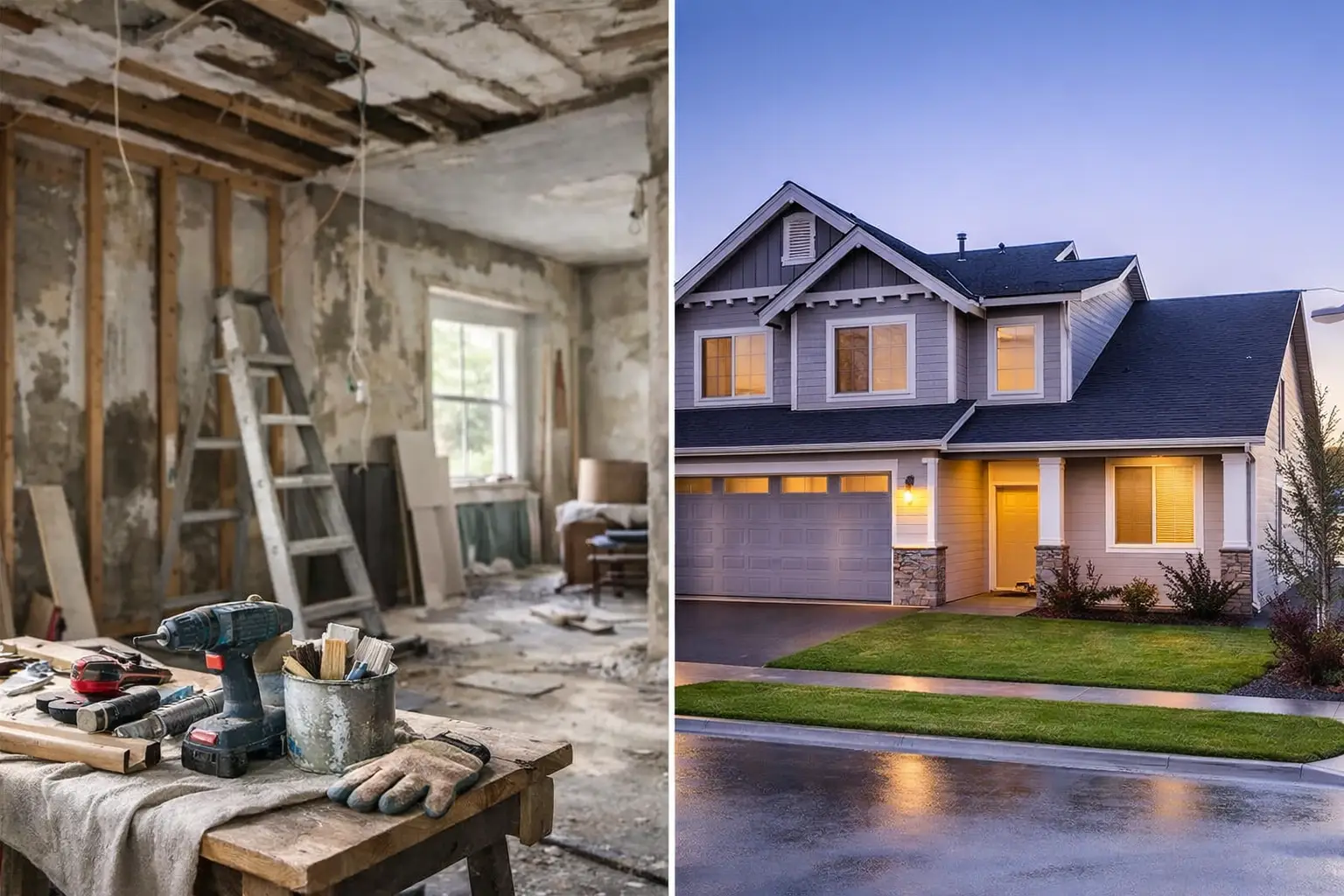
One house has outdated cabinets, aging floors, and a price that makes you pause. The other looks polished, clean, and ready for move-in day - but the monthly payment may stretch your comfort zone. If you're weighing fixer upper vs move in ready, you're not just choosing a house style. You're choosing how you want to spend your time, money, and energy over the next several years.
For many buyers in Hampton Roads and the Virginia Peninsula, this decision comes down to more than cosmetic preference. It affects financing, inspection strategy, renovation timelines, stress levels, and resale potential. A home that looks like a great deal on day one can become expensive quickly if repairs stack up. On the other hand, a move-in ready home may cost more upfront but offer predictability that fits your life better.
Fixer upper vs move in ready: what changes the decision?
At a basic level, a fixer-upper needs work before it fully meets your needs or local market expectations. That work might be cosmetic, like paint and flooring, or more serious, like roofing, plumbing, electrical, HVAC, or foundation repairs. A move-in ready home is generally functional and updated enough that you can settle in right away without taking on major projects.
The gray area matters. Some homes are technically livable but still need enough work that your budget and daily routine will feel the impact. That is why this choice should be based less on labels and more on your real capacity. Do you have cash reserves after closing? Can you manage contractors? Are you relocating on a tight timeline? Do you need a home to function well on day one because of work, school, or military orders?
Those questions often matter more than whether you like a modern kitchen or see potential in an older property.
When a fixer-upper makes sense
A fixer-upper can be the right move when you want to buy into a neighborhood that might otherwise feel out of reach. In some parts of Coastal Virginia, older homes in strong locations can offer a lower entry point, especially if they have been overlooked because they need updates. If the structure is solid and the needed work is manageable, that gap between current condition and future value can create opportunity.
This path can also make sense for buyers who have renovation experience, flexible timelines, and financial cushion. If you know how to price repairs realistically, or you have trusted contractors already lined up, you may be able to improve the home over time without feeling overwhelmed. Some buyers also prefer making the upgrades themselves instead of paying a premium for someone else's design choices.
But there is a difference between a home that needs work and a home that becomes a money pit. The key is understanding which repairs are optional and which are urgent. New countertops can wait. Structural issues, moisture intrusion, outdated electrical panels, and failing HVAC systems usually cannot.
The hidden costs buyers miss with fixer-uppers
The purchase price is only the starting point. Many buyers focus on visible updates and underestimate the expensive items behind the walls or under the house. In older homes, especially, inspection findings can reveal deferred maintenance that changes the numbers fast.
Material costs, labor shortages, permit delays, and change orders can all push renovation budgets beyond the original plan. Temporary housing, storage, higher insurance costs, and the need to replace systems sooner than expected can add more pressure. If you use most of your savings on the down payment and closing costs, you may not have enough left to absorb those surprises.
There is also an emotional cost. Living through repairs is tiring. Coordinating estimates, waiting for parts, and adjusting your schedule around work crews can wear on even highly motivated buyers. Some people handle that well. Others would rather spend a little more upfront and avoid that disruption.
Why move-in ready appeals to so many buyers
Move-in ready homes offer clarity. You can usually estimate your monthly ownership costs more confidently, and you are less likely to face immediate major repairs after closing. For first-time buyers, busy families, and relocation households, that peace of mind can be worth a lot.
This option is especially attractive if your move has a fixed deadline. If you're transferring for work, arriving on military orders, or trying to get settled before a school year begins, the simplicity of a home that is ready now can reduce stress. You are buying convenience, but you are also buying time.
A move-in ready home may also be easier to finance and insure. Lenders tend to be more comfortable with homes in good condition, and that can make the process smoother. If a property has obvious health, safety, or habitability issues, financing options may narrow quickly.
That said, move-in ready does not always mean perfect. A home can be clean and updated while still carrying maintenance needs that are simply less obvious. A fresh coat of paint should never replace a thorough inspection.
Fixer upper vs move in ready and your financing options
Financing is often where this decision becomes very real. A move-in ready home usually fits more easily into conventional, FHA, or VA financing, assuming the property meets condition standards. That can simplify underwriting and shorten the path to closing.
A fixer-upper may require a different strategy. Some buyers use renovation loans, while others rely on cash for repairs after closing. Both options deserve careful planning. Renovation loans can be helpful, but they involve extra steps, contractor documentation, and timelines that not every buyer wants to manage. Paying out of pocket gives you flexibility, but only if your reserves are strong enough.
This is where honest budgeting matters. If buying the fixer-upper leaves you house-rich and cash-poor, the lower list price may not actually put you in a better position. On paper, it can look like a smart value play. In practice, it can limit your choices the moment the first unexpected repair appears.
Your lifestyle should guide the answer
A lot of buyers ask which option is the better investment. The honest answer is that it depends on your goals and your season of life.
If you love projects, have patience, and see real potential where others see outdated finishes, a fixer-upper could be rewarding. If your job is demanding, your schedule is already full, or you need your home to feel settled right away, move-in ready may be the better fit even if it costs more.
Think about your tolerance for uncertainty. Some people are energized by transformation. Others feel drained by unfinished work and constant decisions. Neither approach is wrong. The better choice is the one that supports your finances and your daily life.
Local market conditions matter more than buyers expect
In a competitive market, move-in ready homes often attract stronger demand because they appeal to the widest pool of buyers. That can mean more competition and less negotiating room. Fixer-uppers may offer more flexibility on price, but only if the needed repairs are clearly understood and the property still makes sense after those costs are added back in.
Neighborhood also matters. In some communities, buying the least updated home on a desirable street can work very well. In others, over-improving a property may not return what you spent. This is where local guidance becomes valuable. The right choice in Yorktown may not be the right choice in Chesapeake or Williamsburg, because buyer expectations, inventory levels, and price ranges vary by area.
Working with an agent who understands those differences can help you avoid making a decision based only on emotion or list price. At Horak Realty Group, that is a big part of the conversation - helping buyers look beyond the photos and ask whether a home truly fits their plan.
How to decide with confidence
Start by setting two budgets instead of one: your maximum purchase price and your maximum all-in comfort level. Then leave room for repairs, moving costs, and post-closing surprises. If you are considering homes that need work, get realistic estimates early and assume the final number may be higher.
It also helps to rank your priorities clearly. If location matters most, a fixer-upper in the right neighborhood may be worth considering. If predictability matters most, move-in ready may save you money in ways that do not show up immediately on a spreadsheet.
Most of all, be honest about your bandwidth. A house should support your life, not take it over. The right home is not always the one with the lowest price or the newest finishes. It is the one you can afford, maintain, and feel good about living in.
If you're deciding between potential and convenience, give yourself permission to choose the path that fits your real life, not the one that sounds best on paper.

Ashley Horak
Owner | Realtor ® | Coach | Horak Realty Group | REMAX Elevate
or another way