
Categories
SellingPublished July 29, 2026
Home Inspection Guide for Sellers Before Listing

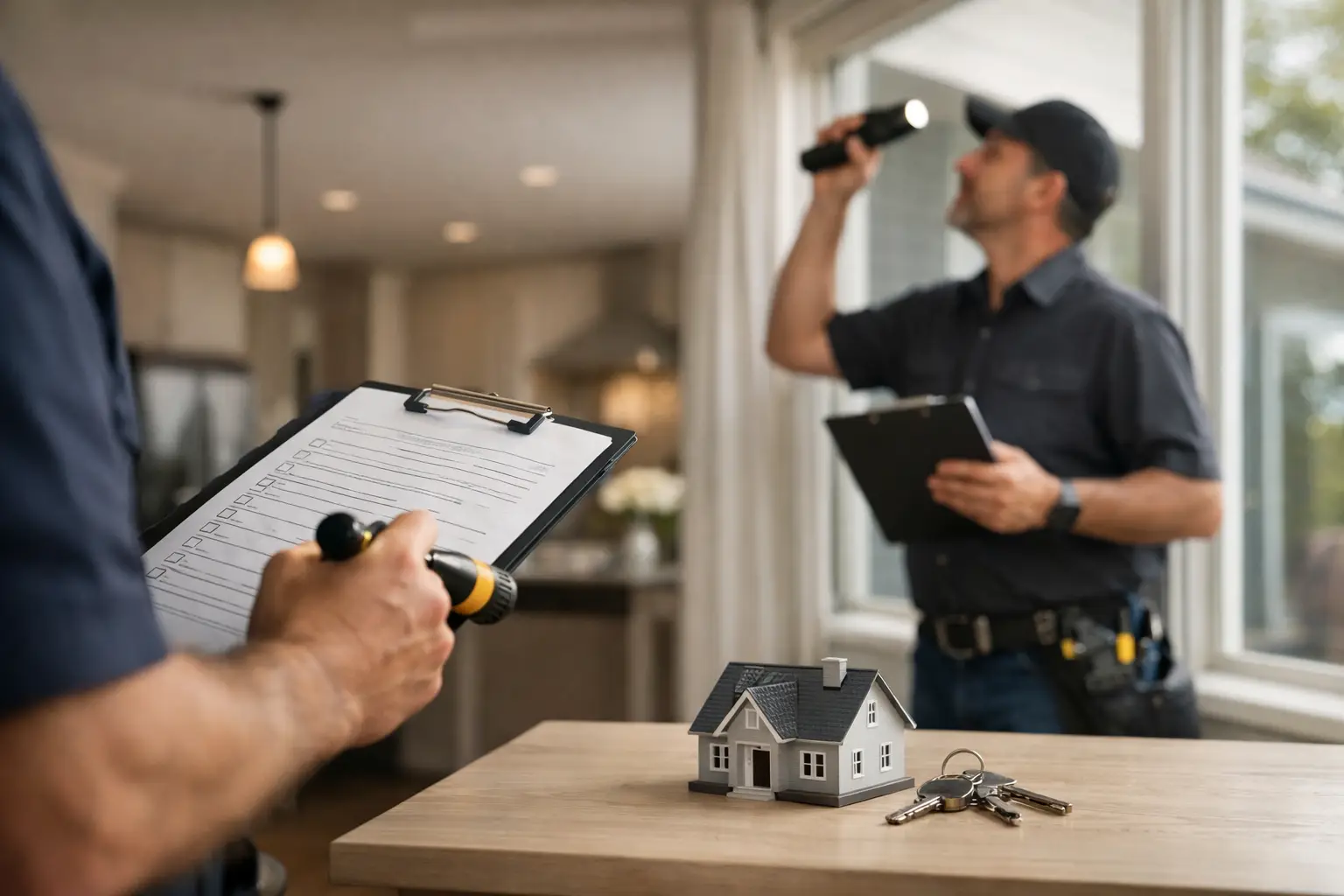
A buyer’s inspection can turn a smooth offer into a stressful round of repair requests in a single afternoon. For Hampton Roads homeowners, a little planning before the sign goes in the yard can protect both your timeline and your negotiating position. This home inspection guide for sellers explains how to prepare without wasting money on upgrades a buyer may not value.
A home inspection is not a pass-or-fail test, and no house is perfect. Its purpose is to help a buyer understand the home’s condition, safety concerns, and likely maintenance needs. Your goal as a seller is not to eliminate every note in the report. It is to identify meaningful issues early, make smart decisions about them, and avoid surprises after you accept an offer.
What a Seller Should Know About Home Inspections
Most buyers will hire their own licensed home inspector after the contract is ratified. The inspector works for the buyer, not the seller, and their report is typically detailed by design. It may flag everything from a loose outlet cover to an aging water heater or a roof nearing the end of its useful life.
That can feel discouraging, especially when you have cared for the home for years. Keep perspective. An inspection report often includes recommended maintenance, observations, and future planning items alongside actual defects. Buyers and their agents must decide what matters to them. A strong preparation strategy helps keep the conversation focused on legitimate concerns rather than unknowns.
Virginia sellers generally have property disclosure responsibilities, though requirements and exemptions can vary by property and transaction. A pre-listing inspection does not replace disclosure obligations, and it is not legal advice. Be candid about known material issues and discuss any questions with your real estate professional and, when appropriate, a qualified attorney.
Should You Get a Pre-Listing Inspection?
A pre-listing inspection is an inspection you order before putting your home on the market. It can be useful, but it is not automatically the right move for every seller.
It makes particular sense when the home is older, has had deferred maintenance, has been vacant, or has features that commonly raise questions, such as a crawl space, well, septic system, fireplace, pool, or aging roof. Many homes across Yorktown, Williamsburg, Newport News, Hampton, and Gloucester have distinctive construction details that deserve a closer look. Older electrical panels, moisture in crawl spaces, aging decks, and drainage conditions can be easier to address before buyers are involved.
The upside is control. You have time to collect estimates, hire contractors you trust, and decide whether to repair, disclose, or price accordingly. The trade-off is cost, plus the possibility that you learn about an issue you would rather not have found. Once you know about a material concern, transparency matters.
For a newer or well-maintained home, your agent may recommend a targeted walkthrough instead. A knowledgeable local agent can help you weigh the home’s condition, your timeframe, and current buyer expectations before you spend money on a full inspection.
The Home Inspection Guide for Sellers: Start With Safety and Systems
Do not begin with cosmetic projects. Start with items that can affect safety, financing, insurability, or a buyer’s confidence in the home. These are the issues most likely to come back during negotiations.
Address obvious safety concerns
Walk through the home with a practical eye. Test smoke and carbon monoxide detectors, replace missing outlet covers, secure loose handrails, and make sure stairs, decks, and walkways do not present clear hazards. Check that windows open where required for emergency escape and that garage doors reverse properly when obstructed.
If you see exposed wiring, water near electrical components, damaged flues, signs of active leaks, or significant structural movement, call the appropriate licensed professional. These are not projects to hide with paint or postpone until inspection day.
Service major systems when needed
Buyers pay close attention to the roof, HVAC, plumbing, electrical, water heater, and foundation or crawl space. You do not need to replace a functioning system just because it is older. But if maintenance is overdue, service can provide useful documentation and reduce uncertainty.
For example, an HVAC tune-up may reveal a simple drain-line or capacitor issue before a buyer’s inspector does. A plumber can correct an active leak beneath a sink or a failing shutoff valve. If a roof is near the end of its life, get a professional assessment rather than guessing. Depending on the price point and local market, a repair credit or an adjusted list price may be more sensible than replacement.
Pay attention to moisture and drainage
Coastal Virginia’s humidity and heavy rain make moisture control especially important. Look under sinks, around windows, near exterior doors, in attics, and throughout the crawl space or basement. Clean gutters, direct downspouts away from the foundation, and make sure the grade does not direct water toward the home.
A musty smell, visible staining, standing water, or fungal growth deserves attention. The right solution depends on the cause. Sometimes it is a simple gutter extension; other times it may require crawl space work, plumbing repair, or a drainage evaluation. Avoid quick fixes that only cover the symptom.
What to Repair, What to Disclose, and What to Leave Alone
Not every inspection item deserves a repair. A smart seller separates urgent defects from normal wear and preference-based requests.
Repair active leaks, safety hazards, failed systems, and clear functional defects whenever it makes financial sense. These problems can derail a deal, affect a buyer’s lender or insurer, or lead to repeated concerns from every future buyer.
Disclose known conditions that are not being repaired. An older roof that is not leaking, a dated electrical panel that functions properly, or a cosmetic foundation crack may be acceptable to many buyers when the pricing and disclosure are clear. Documentation from a qualified contractor can add credibility and help buyers understand the condition.
Leave alone minor cosmetic imperfections and ordinary maintenance items unless they make the house look neglected. Nail pops, small caulk gaps, a stiff window, worn weatherstripping, or an aging appliance may appear in a report. You can handle easy maintenance before listing, but there is little value in chasing every possible comment an inspector could make.
The key question is this: will the condition affect safety, function, financing, or a reasonable buyer’s willingness to move forward? If the answer is no, it may be better to avoid over-improving.
Prepare the Home for Inspection Day
Inspection day is easier when the inspector can access the home’s systems without moving belongings or waiting for keys. Make the attic entrance, electrical panel, water heater, HVAC equipment, crawl space, and garage accessible. Clear clutter from beneath sinks and around the furnace or air handler.
Replace burned-out bulbs in fixtures, ensure all utilities are on, and leave remotes or keys for gates, sheds, fireplaces, and outbuildings. If you have repair invoices, service records, warranties, permits, or manuals, organize them in one place. These records do not erase a defect, but they show buyers that the home has been cared for.
Plan to leave during the inspection unless your agent advises otherwise. Buyers need room to ask questions, and sellers do not need to hear every observation in real time. Your agent can help interpret what comes next.
Respond Calmly When the Report Arrives
After the inspection, buyers may accept the home as-is, request repairs, ask for a credit, seek a price reduction, or walk away if their contract allows it. Their request is a starting point for negotiation, not a demand you must automatically accept.
Review the request item by item with your agent. Consider the seriousness of the issue, the quality of the buyer’s supporting information, the cost of repair, your market position, and the risk of losing the buyer. In a competitive situation, you may be able to hold firm on smaller items. If the home has been listed for longer or the issue is likely to concern the next buyer as well, a reasonable repair or credit can be the practical choice.
When you agree to repairs, use qualified professionals and keep receipts. Vague promises and do-it-yourself work on major systems often create more friction than they solve.
A prepared seller does not need a perfect house. You need a clear picture of its condition, honest expectations, and a plan that fits your goals. Before you list, Horak Realty Group can help you look at your home through a local buyer’s eyes and decide where preparation will make the biggest difference.

Ashley Horak
Owner | Realtor ® | Coach | Horak Realty Group | REMAX Elevate
or another way