
Categories
BuyingPublished November 20, 2026
Top Signs of Neighborhood Growth to Watch

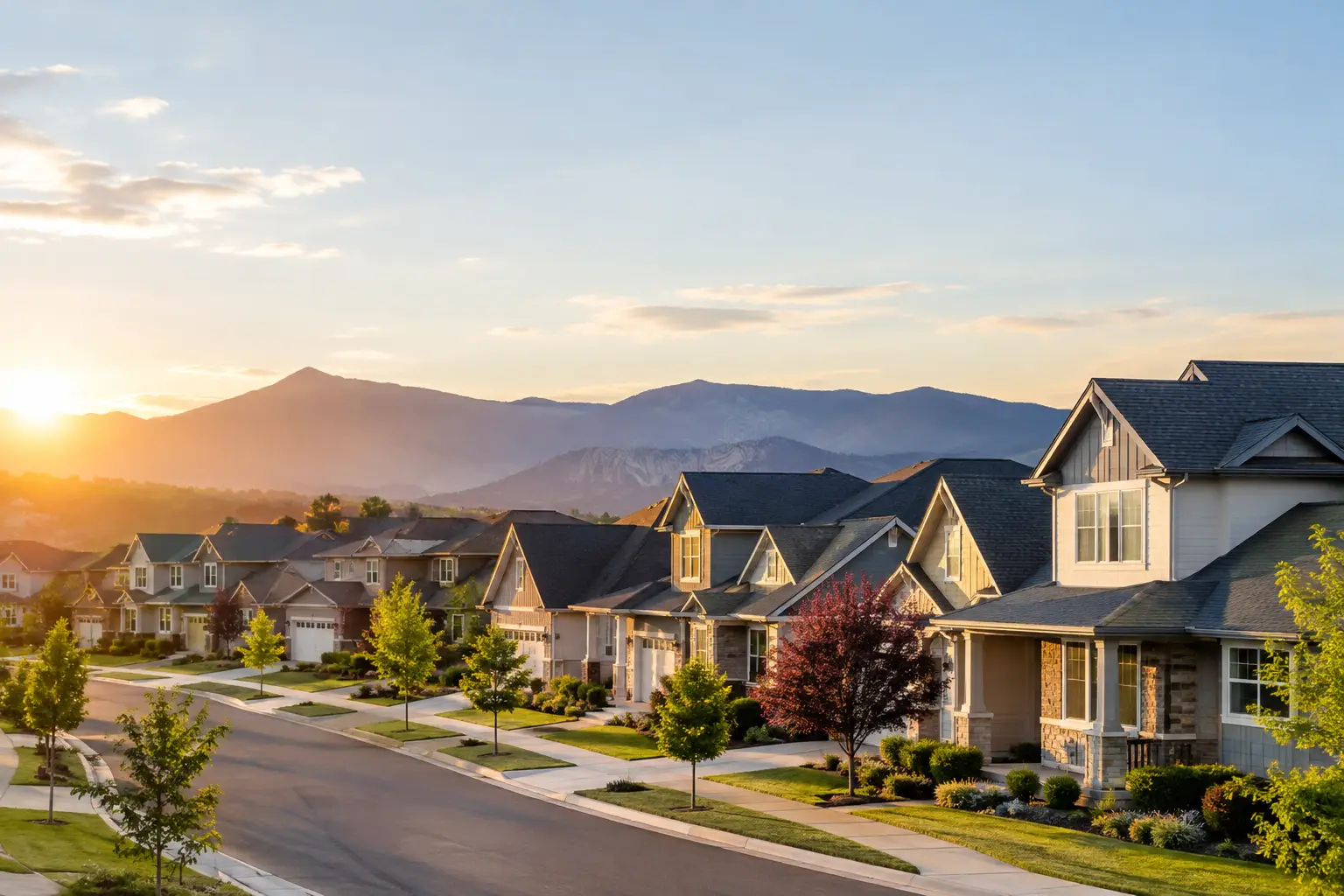
A new coffee shop on the corner can feel like proof that a neighborhood is on the rise. Sometimes it is. Other times, it is simply one business testing a good location. The top signs of neighborhood growth are rarely found in a single headline or storefront. They show up in a pattern: steady demand, thoughtful investment, improving amenities, and changes that make everyday life more appealing.
For buyers, recognizing that pattern can help you choose a home with lasting potential. For sellers, it can shape how you position and price a property. Across Hampton Roads and the Virginia Peninsula, growth looks different from one community to the next. A new employer may influence demand in Newport News, while military moves, school preferences, waterfront access, or commuter convenience may matter more in Yorktown, Chesapeake, or Virginia Beach.
Top Signs of Neighborhood Growth Buyers and Sellers Can Trust
The strongest signs of growth tend to be practical rather than flashy. They point to a community where people want to live, businesses see opportunity, and public or private investment is being sustained over time.
Homes are selling steadily, not just occasionally
Healthy buyer demand is one of the clearest indicators. Watch for homes that receive consistent showings, sell within a reasonable period for the local market, or attract competitive offers when they are priced appropriately. Rising sale prices can be encouraging, but prices alone do not tell the whole story. A sharp jump caused by a few renovated homes or unusually low inventory may not represent a long-term shift.
Look instead for several months of steady activity across a range of home types. If well-maintained starter homes, move-up properties, and townhomes are all finding buyers, that suggests broader demand. In a market as varied as Hampton Roads, it also helps to compare a neighborhood with nearby communities that serve similar buyers.
Renovation activity is visible and consistent
When homeowners choose to improve kitchens, roofs, landscaping, additions, and exterior details, they are often investing in their future there. A few construction projects are normal anywhere. Widespread, well-kept improvements across multiple streets can signal growing confidence in the neighborhood.
Pay attention to the kind of work being done. Cosmetic upgrades before a sale are common. Larger investments, such as room additions, energy-efficient improvements, updated porches, or major landscaping, often suggest owners plan to stay. That can strengthen a community over time, especially when improvements are balanced with homes that remain attainable for a mix of residents.
New businesses meet everyday needs
Restaurants and boutiques draw attention, but everyday services usually tell a more useful story. A grocery store, medical office, fitness studio, daycare, pharmacy, or locally owned service business often opens where there is enough reliable household demand to support it.
The key is not simply that something new has arrived. It is whether businesses are staying busy and whether vacancies are declining over time. A growing retail corridor can make a nearby neighborhood more convenient, but buyers should also consider the trade-off. Increased activity may bring more traffic, noise, or changes to the character that drew people there in the first place.
Public investment is moving from plans to progress
Road improvements, sidewalk connections, park upgrades, drainage work, school investments, and expanded public services can all affect how a neighborhood functions. In Coastal Virginia, drainage and flood resilience deserve particular attention. Improvements that make an area safer and easier to navigate can matter as much as a new amenity.
It is wise to distinguish between an announcement and an active project. Proposed development can take years to advance, change substantially, or never happen. Look for approved plans, construction activity, funding commitments, and clear timelines. Ask how a project will affect traffic patterns, taxes, nearby homes, and access to local services before treating it as a guaranteed benefit.
Look Beyond the Obvious Numbers
Neighborhood growth is not always about rapid appreciation. In fact, the most livable communities often grow at a measured pace. They retain neighbors, attract new households, and add value without losing the qualities that make the area feel like home.
Schools, parks, and community spaces are being used
A busy park on a Saturday morning, a well-maintained neighborhood pool, or a community event with genuine local turnout can reveal something that market reports cannot: people are putting down roots. Families, professionals, retirees, and military households may value different features, but shared spaces help indicate whether a community has an active, connected feel.
For buyers with school-aged children, school boundaries and available programs may play a major role in a home search. Even buyers without children often pay attention to school reputation because it can influence future resale demand. Still, no neighborhood should be judged on one data point. Visit at different times of day, check the commute, and notice how the area feels on a regular weekday as well as a weekend.
Employers and transportation support local demand
Hampton Roads has a diverse employment base tied to military installations, healthcare, education, shipbuilding, government, tourism, and growing professional services. When job access improves or a major employer expands nearby, housing demand can follow. Proximity is valuable, but convenience is more than mileage. Bridge and tunnel routes, peak-hour traffic, parking, and flexible work schedules all shape a buyer's real experience.
A neighborhood near a major employment center may see stronger demand, yet it may also face more commuter traffic or limited inventory. The right choice depends on your priorities. Some buyers prefer the energy and convenience of a central location; others are willing to drive farther for more space, a quieter setting, or a different school zone.
Listings show pride of ownership
When you walk or drive through an area, look for the small details. Maintained yards, cared-for exteriors, clean common areas, and properties that appear occupied and loved can be meaningful. They are not a substitute for inspection, research, or a careful review of comparable sales, but they help tell the story of how residents feel about the neighborhood.
For sellers, this is a reminder that your home's presentation does not exist in isolation. Buyers form opinions before they reach the front door. Curb appeal, clear access, and a well-prepared property can help your home compete, especially in a neighborhood receiving more attention.
How to Evaluate Growth Before You Make a Move
The best way to assess a neighborhood is to pair local data with firsthand experience. Online research can show sales trends and available homes, but it cannot tell you whether morning traffic is manageable, whether a nearby commercial project creates noise, or whether a street feels right for your daily routine.
Start by identifying what growth means to you. It may mean resale potential, a shorter commute, walkability, room for a growing family, access to water, or a lower-maintenance lifestyle. Then compare neighborhoods through that lens rather than chasing the latest hot area.
Before writing an offer or preparing a listing, review recent comparable sales, current inventory, and the condition of homes that have sold. Visit at more than one time of day. Ask about homeowners association rules, planned development, flood zones, utility access, and any local considerations that could affect ownership costs. If you are relocating, build extra time into the process to understand commuting patterns and the differences between neighboring communities.
A knowledgeable local real estate professional can also help separate real momentum from marketing buzz. At Horak Realty Group, we believe the right guidance starts with listening to what matters most to you, then giving you honest context around the neighborhoods and homes you are considering.
Growth can create opportunity, but it should never pressure you into a rushed decision. The right neighborhood is one that supports your life now, fits your financial plan, and gives you confidence in the years ahead. When you are ready to look closely at a community, take the time to see how it lives - not just how it looks on a listing.

Ashley Horak
Owner | Realtor ® | Coach | Horak Realty Group | REMAX Elevate
or another way