
Categories
SellingPublished June 14, 2026
12 Best Things to Improve Curb Appeal

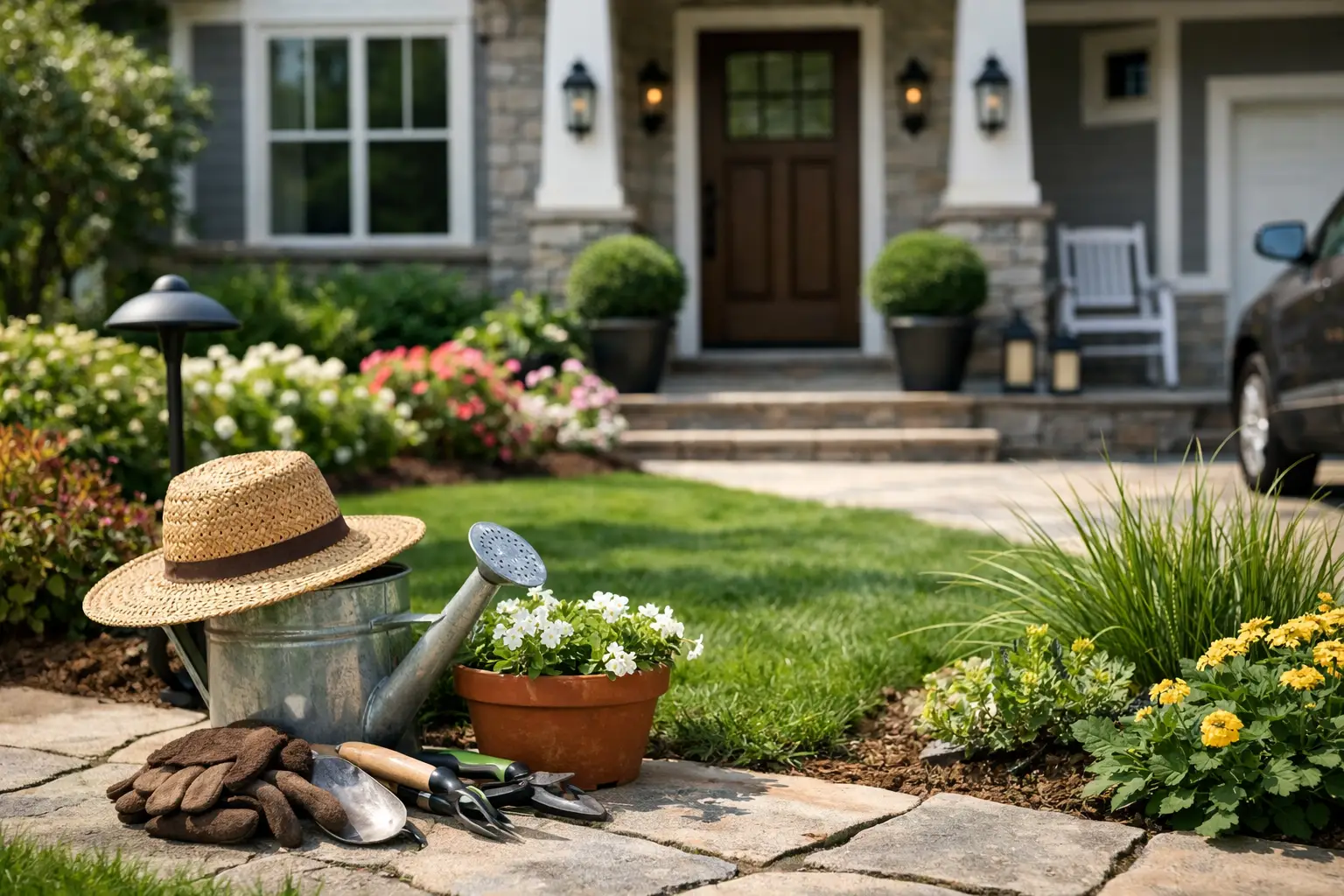
A buyer often starts forming an opinion before they ever step out of the car. That is why the best things to improve curb appeal are usually not the biggest projects. They are the details that make a home feel cared for, easy to maintain, and worth seeing inside.
In Hampton Roads and across the Virginia Peninsula, curb appeal matters even more because buyers notice weather wear quickly. Salt air, humidity, strong sun, and heavy rain can make a house look older than it is. If you are getting ready to sell, or simply want your home to make a better first impression, the goal is not perfection. The goal is to create a clean, welcoming exterior that helps buyers feel confident from the start.
The best things to improve curb appeal start with condition
Before you spend money on decorative upgrades, deal with anything that looks neglected. Buyers are very good at spotting deferred maintenance, and once they see it outside, they often assume there is more waiting inside.
Start with the basics. Pressure washing can make a dramatic difference on siding, brick, driveways, sidewalks, porches, and fences. Dirt, pollen, mildew, and algae build up fast in Coastal Virginia, and a thorough cleaning can make an older exterior look fresher in a single day. If your house has painted trim, shutters, or railings, look for peeling paint or faded areas that need touch-up.
The front door deserves special attention. A freshly painted door in a classic, buyer-friendly color can make the whole entrance feel updated. If the existing color works with the home, keep it. If it is chipped, faded, or overly personal, repainting is usually worth it. New house numbers, a clean doormat, and a working doorbell are small touches, but they signal care.
Focus on the front yard buyers actually see
Landscaping is one of the best things to improve curb appeal, but it does not need to mean a full redesign. In fact, overly complicated landscaping can create concern about upkeep.
What buyers respond to most is order. Mow the lawn, edge the beds, trim overgrown shrubs, and remove anything dead or scraggly. If flower beds are sparse, add fresh mulch. It gives the yard a finished look and helps everything else appear more intentional. In many cases, dark brown or black mulch photographs well and gives good contrast, but natural mulch can be the better fit depending on the style of the home.
If you want to add color, keep it simple. A few healthy seasonal plants near the entry or porch can brighten the space without making it feel busy. In this market, low-maintenance choices are often better than fussy plantings that may struggle through heat or storms.
There is also a trade-off here. Mature landscaping can be an asset, but only if it is trimmed back enough to show the house. Bushes covering windows or tree limbs hanging low over the roof can make a property feel dark and hidden. Buyers want privacy, but they also want to see the home clearly.
Make the entry feel easy and inviting
The walk to the front door matters more than many sellers realize. If the path is cracked, stained, uneven, or cluttered, the entire approach feels less welcoming.
Look at the route from the driveway or sidewalk to the front porch. Sweep it, remove weeds from cracks, and clear away hoses, toys, and extra planters. If porch furniture is worn out, scale it back. A simple setup usually works better than trying to fill every corner.
Lighting helps here too. Updated porch lights can subtly modernize an exterior, and they improve safety for evening showings. Choose fixtures that fit the style of the home rather than something trendy that may date quickly. Warm lighting is usually more inviting than harsh bright white bulbs.
If your mailbox is visible from the street, include it in your curb appeal plan. The same goes for the garage door, fence gate, and any visible utility elements. These are not exciting updates, but when they are rusty, dented, or crooked, buyers notice.
The most valuable curb appeal upgrades are often practical
When homeowners think about exterior improvements, they sometimes jump to expensive projects first. New landscaping design, a custom walkway, or a full exterior repaint can help, but they are not always the best first move.
Practical upgrades tend to offer the best return because they reduce buyer hesitation. If shingles are missing, gutters are sagging, or wood trim is rotting, that needs attention before cosmetic improvements. The same is true for broken shutters, damaged screens, or loose handrails.
This is especially important if your home will be competing with other listings in the neighborhood. Buyers compare properties quickly. A home with clean, maintained exterior features tends to feel move-in ready, even if the finishes are not brand new. A home with visible exterior issues can feel like work, even if the interior is updated.
That is one reason local guidance matters. In some neighborhoods, a simple refresh is enough to stand out. In others, where inventory is tight and buyer expectations are higher, a more polished exterior may be worth the investment. It depends on your price point, competition, and how the rest of the home shows.
Best things to improve curb appeal without overspending
If you want curb appeal improvements that feel manageable, concentrate on updates buyers can see immediately. These tend to offer the biggest visual payoff for the least cost.
Fresh mulch, trimmed landscaping, pressure washing, and front door paint are at the top of that list. Replacing dated light fixtures, updating house numbers, and adding clean matching planters can also help. If the driveway has oil stains or the garage door has visible wear, addressing those details can be surprisingly effective.
Window appearance matters too. Clean windows make a house feel brighter and better maintained from both outside and inside. If screens are bent or torn, replace them. If shutters are faded or mismatched, repaint or remove them rather than leaving them half-maintained.
One common mistake is doing too many small decorative projects while ignoring the big visual distractions. For example, buyers will not be focused on your new wreath if the porch paint is peeling. They will not notice potted flowers if the lawn is patchy and overgrown. Start with the issues that pull attention in the wrong direction, then layer in the finishing touches.
Curb appeal should match the home and the neighborhood
The best exterior improvements feel appropriate, not forced. A coastal cottage, a traditional brick colonial, and a newer suburban home should not all be styled the same way.
That is where some sellers lose money. They choose updates based on personal taste or online trends instead of what makes sense for their property. A bold paint color may look great on one home and out of place on another. Elaborate landscaping may suit a higher-end property but feel excessive in a neighborhood where buyers value low maintenance.
Try to aim for clean, current, and widely appealing. Neutral paint, healthy landscaping, tidy edges, and balanced accents usually do more for resale than highly customized choices. If you are preparing to list, this is also a good time to look at your home the way a buyer would. Stand at the curb. Take photos. Notice what draws your eye first.
For sellers in communities across Yorktown, Williamsburg, Newport News, Hampton, and nearby areas, that first glance can influence whether buyers feel excited to schedule a showing or keep scrolling. Horak Realty Group often advises homeowners to think of curb appeal as part of pricing strategy, not just decoration. A home that looks ready from the street supports buyer confidence before they ever open the door.
When bigger projects make sense
Sometimes the best things to improve curb appeal are larger updates, especially if the exterior looks dated compared with nearby homes. Repainting the whole house, replacing an old garage door, installing a new front door, or updating worn-out siding can be worthwhile when the existing condition is holding value back.
Still, bigger is not always better. If you are selling soon, the question is whether the improvement will help your home show better and reduce objections, not whether you will personally enjoy it for years. A costly project with limited visual impact may not make sense. A moderate project that instantly improves the front elevation often does.
If budget is limited, prioritize anything that photographs well, improves first impressions, and addresses buyer concerns. Those three goals usually lead to better decisions than chasing every possible upgrade.
Curb appeal works best when it feels honest. Buyers do not expect every home to look brand new, but they do respond to signs that a property has been cared for. Clean surfaces, simple landscaping, a welcoming entrance, and visible maintenance go a long way. When the outside feels reassuring, buyers are much more likely to walk in expecting good things.

Ashley Horak
Owner | Realtor ® | Coach | Horak Realty Group | REMAX Elevate
or another way