
Categories
BuyingPublished July 4, 2026
Can You Buy With Low Downpayment?

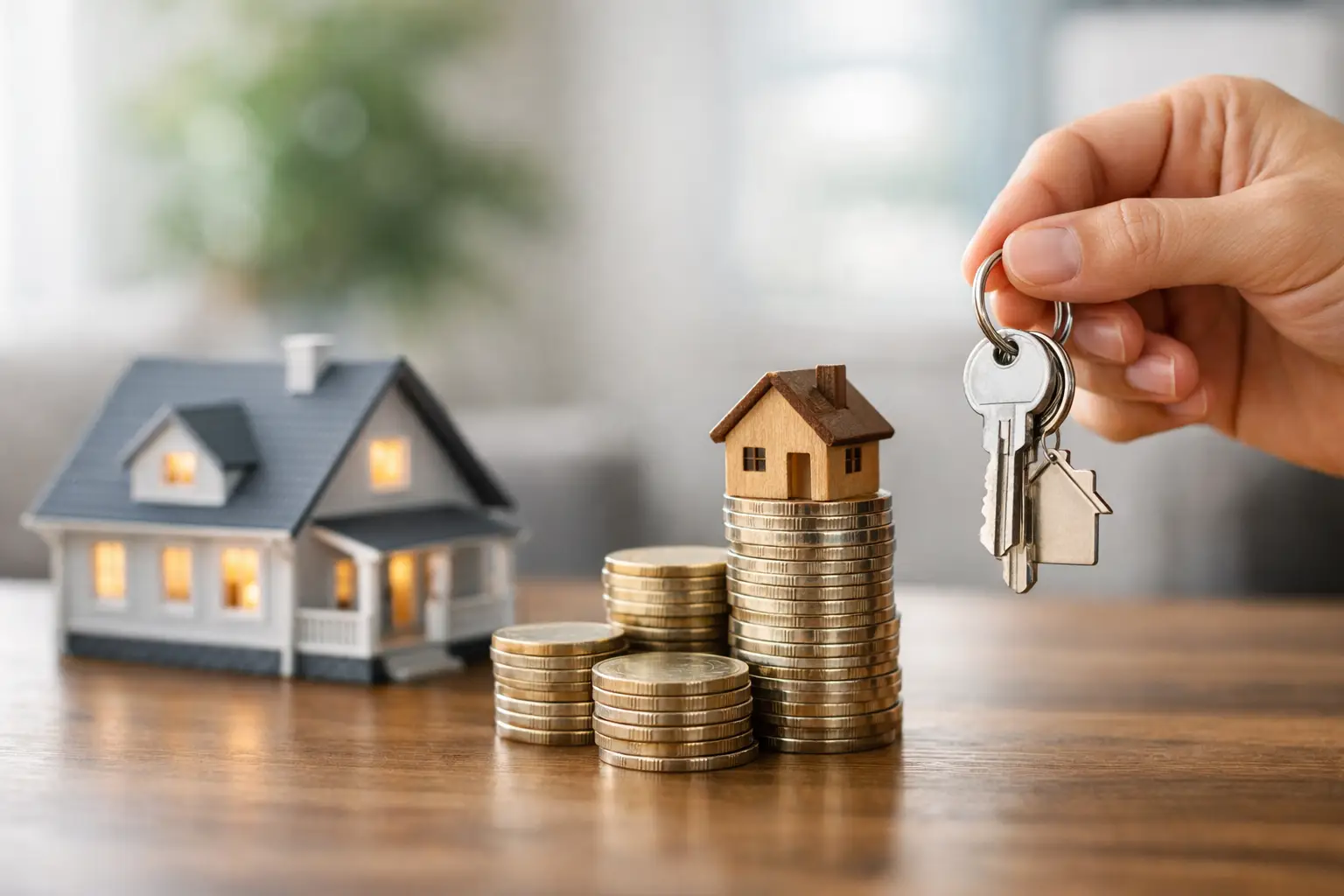
Saving for a home can feel like the hardest part of the whole process, especially when you are also paying rent, managing debt, or covering everyday expenses. If you are wondering, can you buy with low downpayment, the short answer is yes. The better answer is that many buyers can, but the right path depends on your credit, income, monthly budget, and the kind of home you want to buy in Hampton Roads or the Virginia Peninsula.
A lot of people still assume they need 20% down to buy a home. That idea keeps buyers on the sidelines longer than they need to be. In reality, there are loan options that allow far less, and some buyers may also qualify for assistance programs that help with upfront costs. The bigger question is not just whether you can buy with a low down payment. It is whether doing so fits your finances comfortably.
Can You Buy With Low Downpayment in Today’s Market?
Yes, and many buyers do. Low down payment loans are common, especially for first-time buyers, military-connected households, and buyers who have solid income but have not had years to build savings. Depending on the loan type, you may be able to buy with as little as 0%, 3%, or 3.5% down.
That said, low down payment does not mean low cost across the board. You still need to account for closing costs, inspections, appraisal fees, moving expenses, and the monthly payment itself. In a market with a range of price points like Newport News, Hampton, Yorktown, Williamsburg, Chesapeake, and Virginia Beach, that monthly number matters just as much as the cash you bring to closing.
This is where buyers often get tripped up. They focus on getting in with the smallest possible down payment, but they do not stop to ask whether the payment still leaves room for life. A home should support your goals, not strain them.
The Most Common Low Down Payment Loan Options
The loan you use will shape both your upfront costs and your monthly payment. Conventional loans can sometimes allow as little as 3% down for qualified buyers. These can be a good fit if you have decent credit and stable income, but if you put down less than 20%, you will usually pay private mortgage insurance.
FHA loans are another common option, especially for buyers who need more flexibility on credit or debt-to-income ratio. These typically require 3.5% down. They can open the door to homeownership sooner, but they also come with mortgage insurance requirements that can affect your long-term costs.
VA loans are one of the strongest options for eligible military service members, veterans, and certain surviving spouses. They can offer 0% down, which is a major advantage for many buyers in Coastal Virginia. Even so, 0% down does not mean zero cash needed. Closing costs and prepaid expenses still have to be addressed, though seller concessions or lender strategies can sometimes help.
USDA loans may also allow 0% down in eligible rural or suburban areas. Some locations outside the more urban parts of the region may qualify, but eligibility depends on both property location and household income.
Each of these loan types has trade-offs. The best one is not always the one with the lowest down payment. Sometimes putting a little more down improves your monthly payment enough to make the move worthwhile.
What a Low Down Payment Really Changes
A lower down payment helps you buy sooner because you do not have to save as much upfront. For many households, that is the difference between continuing to rent for several more years and becoming a homeowner now.
But lower down payments usually mean borrowing more. Borrowing more can lead to a higher monthly mortgage payment, and it may also increase mortgage insurance costs. If home prices or taxes are higher in the area you want, that effect can be more noticeable.
For example, a buyer looking in Williamsburg or York County may find very different tax rates, price points, and inventory than someone searching in Hampton or Newport News. The same down payment strategy will not feel the same from one area to another. That is why local planning matters.
Can You Buy With Low Downpayment and Still Be Financially Safe?
You can, if you approach it carefully. The safest low down payment plan leaves you with enough savings after closing. It is tempting to use every available dollar just to get into a house, but homeowners need a cushion. Repairs happen. Utility bills change. Life does not stop once you get the keys.
A good rule of thumb is to look beyond what a lender says you can afford. Lender approval and personal comfort are not always the same thing. A payment that looks manageable on paper may feel tight once you add childcare, commuting costs, insurance, groceries, and everything else that makes up real life.
This is especially important for first-time buyers and relocating families. If you are moving into a new area, your day-to-day costs may shift in ways you did not expect. A slightly lower purchase price can sometimes put you in a much stronger position than stretching for the top of your budget.
Costs Buyers Often Miss
When buyers ask if they can buy with a low down payment, they are usually thinking only about the down payment itself. But there are several other costs to plan for.
Closing costs are the big one. These can include lender fees, title work, attorney or settlement fees, appraisal charges, prepaid taxes, and homeowners insurance. Depending on the purchase and the loan, that amount can add up quickly.
Then there is the first wave of ownership costs. You may need appliances, paint, minor repairs, or moving services. Even a home in great shape usually comes with a few immediate expenses.
That does not mean you need to wait until you have unlimited savings. It just means your plan should be complete. A low down payment works best when it is part of a full financial picture, not a last-minute scramble.
How to Know if You Are Ready
Readiness is not just about hitting a savings number. It is about whether the purchase supports your life over the next few years. Start with your monthly comfort level. What payment feels realistic if taxes or insurance rise? How much do you want to keep in reserves after closing? Are you planning to stay put long enough for buying to make sense?
Credit also matters. Better credit can improve your loan options, lower your rate, and reduce monthly costs. If you are close but not quite there, a short period of credit improvement may make a meaningful difference.
It also helps to understand your local options early. A buyer searching in Poquoson may face a very different inventory picture than someone looking in Smithfield, Gloucester, or Virginia Beach. The right game plan depends on both your finances and the neighborhoods you are considering.
Why Local Guidance Matters With Low Down Payment Purchases
Low down payment buyers do best when they have a plan, not just a preapproval letter. Homes in competitive price ranges can move quickly, and sellers want confidence that a deal will close. That means your financing, timeline, and negotiation strategy all need to be clear.
This is where a local real estate team can make the process much smoother. An experienced agent can help you compare areas, understand realistic price points, structure strong offers, and connect with lending professionals who understand low down payment financing. For buyers across Hampton Roads and the Virginia Peninsula, that kind of support can help turn uncertainty into a workable path forward.
At Horak Realty Group, that conversation starts with what fits your life, not just what fits a formula. Sometimes the right answer is to buy now with a smaller down payment. Sometimes the wiser move is to spend a few months strengthening your position first.
If you are asking whether you can buy with a low down payment, you are already asking the right question. The next step is making sure the numbers support not only the purchase, but the life you want to build once you are home.

Ashley Horak
Owner | Realtor ® | Coach | Horak Realty Group | Mission Realty Group LLC
or another way