
Categories
SellingPublished April 1, 2026
How Do I Get an Accurate Estimate for My Home Value?

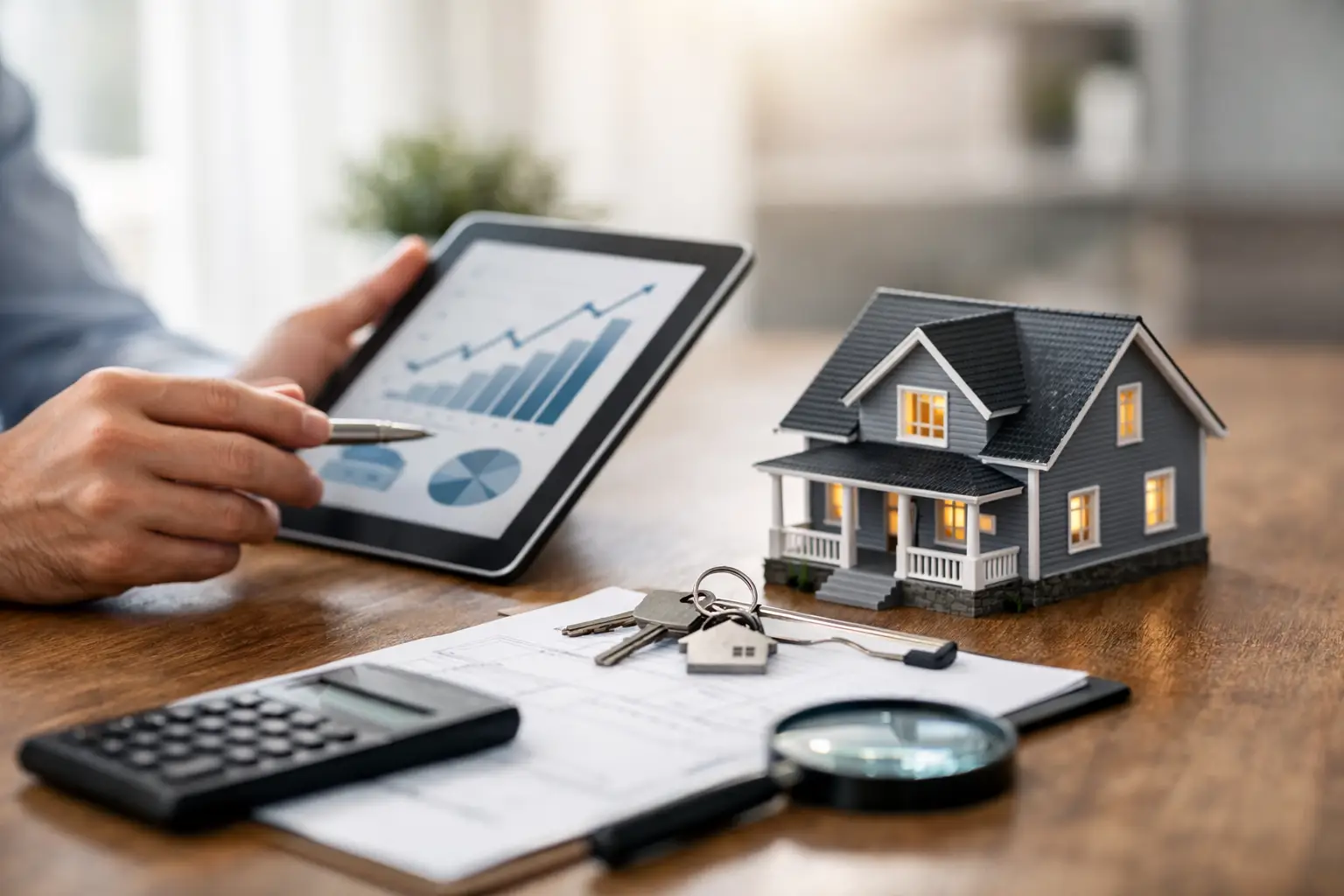
If you’re asking, how do I get an accurate estimate for my home value, you’re probably not looking for a random number on a screen. You want something you can actually use - whether you’re thinking about selling, refinancing, appealing taxes, or just planning your next move. And the truth is, the most accurate home value estimate comes from combining good data with local market context.
That matters even more in places like Hampton Roads and the Virginia Peninsula, where price can shift noticeably from one neighborhood to the next, and sometimes from one street to the next. A waterfront view, military-driven demand, newer roof, updated kitchen, or even a different school zone can change the picture fast.
Why online estimates are a starting point, not the answer
Automated valuation tools can be helpful for getting a rough range. They pull from public records, recent sales, tax data, and algorithm-based assumptions. For some homes, that gets you fairly close. For others, it can miss by a wide margin.
The problem is that automated tools usually can’t fully measure condition, layout, upgrades, deferred maintenance, or what buyers in your specific area are willing to pay right now. They also may not understand the premium attached to a cul-de-sac lot, a renovated primary bath, or a home that backs up to water instead of a busy road.
That’s why homeowners are often surprised when the online estimate doesn’t match what a serious buyer, appraiser, or local agent sees. An algorithm can read square footage. It can’t always read desirability.
How do I get an accurate estimate for my home value?
The short answer is this: start with online data if you want a quick snapshot, but rely on a comparative market analysis from a local real estate professional if you want a number grounded in current market behavior.
A strong estimate usually blends three things: recent comparable sales, active and pending competition, and the real-world condition of your home. If one of those is missing, the estimate gets weaker.
Recent sold homes tell you what buyers have actually paid, not what sellers hoped to get. Active listings show your competition. Pending sales can hint at where the market is heading, even before all the final numbers are public. Then your home’s specific features fill in the rest.
What makes a home value estimate more accurate
Accuracy comes down to detail. A broad estimate based only on bedrooms, bathrooms, and square footage is rarely enough. Two homes with the same basic stats can sell at very different prices if one has been thoughtfully updated and the other needs major work.
Condition is one of the biggest variables. Fresh paint, updated flooring, newer HVAC, roof age, kitchen improvements, and bathroom renovations all influence value. So do less visible items like crawl space issues, aging windows, drainage problems, or signs of deferred maintenance.
Location also works on multiple levels. City and ZIP code matter, but hyperlocal factors matter too. Buyers react differently to homes near water, major commuting routes, military bases, top local amenities, or established neighborhoods with limited inventory. In Coastal Virginia, even flood risk, insurance considerations, and elevation can influence pricing and buyer demand.
Timing matters as well. A home value estimate from six months ago may already be stale if mortgage rates moved, inventory tightened, or buyer demand cooled. Real estate is local, but it is also current.
The role of comparable sales
Comparable sales, often called comps, are one of the most important parts of a reliable estimate. The best comps are recent sales of homes that are similar in size, age, style, location, and condition.
That sounds simple, but this is where experience helps. If your home is in Yorktown, a sale from another section of town may not be a true comparison. If your property has acreage, a garage apartment, deepwater access, or a highly updated interior, you need comps that account for those features. Pulling the wrong sales can make a home seem overpriced or underpriced very quickly.
A good analysis also looks beyond sold data alone. If similar homes are sitting on the market and not moving, that says something. If a well-priced listing went under contract in a weekend, that says something too. Value is not just about history. It is also about momentum.
Why an in-person opinion is often worth more than a website estimate
If you want a number you can make decisions around, an in-person walkthrough usually gives the clearest picture. That’s because someone familiar with the market can evaluate the details that databases often miss.
They can see whether your updates are cosmetic or substantial. They can judge whether your floor plan feels dated or highly functional. They can recognize features that local buyers consistently pay more for and those they tend to ignore.
This is especially important if your home is unique, recently renovated, older but well maintained, or located in an area where inventory is limited. In those cases, the margin for error gets bigger when the estimate is based only on automated data.
If you are selling, price strategy matters as much as value
Many homeowners ask for value when what they really need is pricing strategy. Those are related, but they are not identical.
Your home may be worth a certain amount on paper, but list price should also reflect competition, timing, buyer demand, and your goals. If you need a faster sale, pricing may lean more aggressive. If inventory is tight and your home shows well, you may have more room. If rates are affecting affordability, buyers may be more selective than they were a year ago.
That’s why a good estimate should come with context. A single number is rarely the whole story. A realistic range, supported by current market conditions, is usually more useful.
If you are refinancing or planning ahead, your approach may be different
Not every homeowner asking about value is ready to list. Maybe you are considering refinancing, removing PMI, planning a future move, or deciding whether updates are worth the cost.
In those situations, an estimate can still help, but the standard for “accurate” may vary. If you are casually planning, a strong market analysis may be enough. If a lender is involved, the formal appraised value is what carries weight.
Appraisals and market analyses are not the same thing. An appraiser follows a structured process for lending purposes. A real estate professional looks at marketability and buyer behavior as well. Both are useful, but they answer slightly different questions.
How to prepare before requesting a home value estimate
You do not need to overthink this, but a little preparation helps. Have a basic list of improvements ready, including approximate dates for major updates like roof, HVAC, windows, kitchen, bathrooms, or flooring. If your home has standout features such as water access, a detached workshop, fenced yard, or recent landscaping, mention those too.
It also helps to be honest about condition. You are not doing yourself any favors by leaving out needed repairs. The goal is not flattery. The goal is a number you can trust.
Photos can help with a preliminary estimate, but they are not a perfect substitute for seeing the property in person. Lighting, angles, and selective images can hide as much as they reveal.
Common mistakes that throw off home value estimates
One of the biggest mistakes is relying on the highest number you can find because it feels better. Another is comparing your home to active listings without checking whether those homes are actually selling.
Homeowners also tend to overvalue improvements that are very personal in style. A custom feature may have been expensive, but that does not always mean buyers will pay extra for it. On the other hand, practical updates like a newer roof or HVAC may quietly support value even if they are not exciting.
The last common mistake is waiting too long to ask. If you are thinking about selling in the next six to twelve months, getting an estimate early gives you time to plan repairs, understand timing, and avoid rushed decisions.
Getting the clearest answer
If you want the most accurate estimate possible, use online tools as a first glance, then follow up with a local expert who understands your neighborhood, your competition, and the details buyers actually care about. That combination is what turns a rough guess into a useful pricing conversation.
For homeowners in Hampton Roads and the Virginia Peninsula, that local read can make a meaningful difference. At Horak Realty Group, we believe home value is never just a data point - it is part of a bigger decision about timing, equity, and what comes next. If you are curious about your number, the best next step is simply to ask for a real evaluation based on your home, not just your address.
The right estimate should leave you feeling clearer, not more confused.

Ashley Horak
Owner | Realtor ® | Coach | Horak Realty Group | REMAX Elevate
or another way