
Categories
Buying, SellingPublished August 1, 2026
Move Up vs Remodel: Which Fits Your Next Chapter?

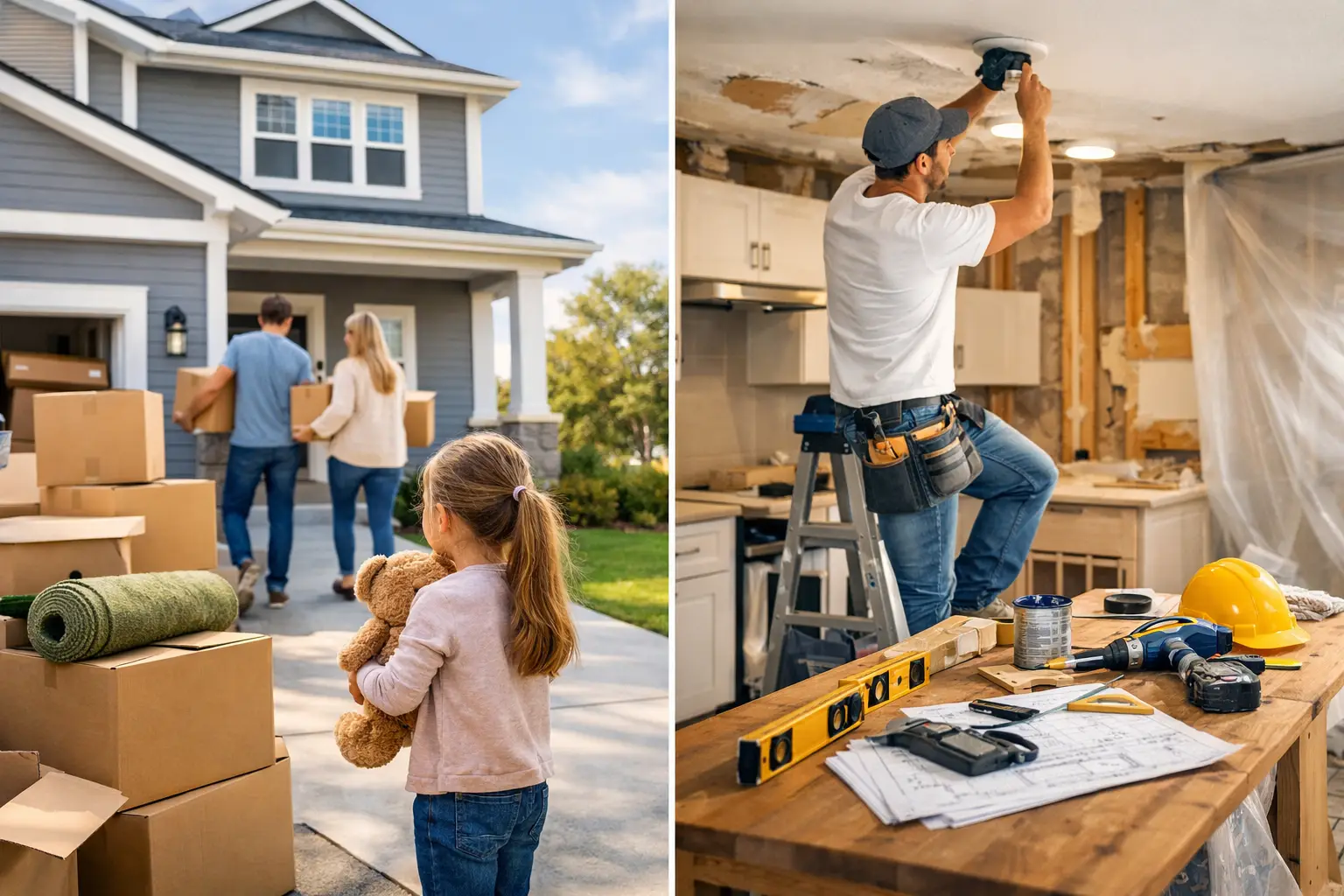
A cramped kitchen can make every weekday morning feel like a traffic jam. A growing family may need another bedroom, while an empty nester may be tired of maintaining rooms no one uses. When your home no longer fits, the move up vs remodel question is rarely just about square footage. It is about finances, routines, location, and what you want daily life to look like a few years from now.
For homeowners across Hampton Roads and the Virginia Peninsula, there is no one-size-fits-all answer. Remodeling can preserve a neighborhood you love. Moving can solve limitations that an addition, new bathroom, or kitchen renovation cannot fix. The best choice starts with an honest look at both the house and the bigger picture.
Start With the Problem You Are Trying to Solve
Before comparing contractor bids with home prices, name the real issue. Is the home too small, or is the layout simply not working? Do you need a first-floor primary suite for aging parents, a dedicated office, a larger yard, or an easier commute? Are you unhappy with the home itself, or with the neighborhood, school options, traffic, or distance from family?
A remodel is often a strong fit when your location still works and the changes are reasonably contained. Opening a wall, finishing a room, updating an outdated kitchen, or improving outdoor living space can make a familiar home feel much more functional.
Moving may make more sense when the limitations are structural. A small lot cannot become a large backyard. A two-bedroom home cannot always gain bedrooms without a costly addition. And no renovation changes a flood zone, a long commute, a lack of storage, or the fact that you would rather be closer to the water, work, military installation, or family.
Move Up vs Remodel: Compare the Full Cost
The financial question is more complex than comparing a down payment to a renovation estimate. Both paths come with visible and less obvious costs.
With remodeling, the project budget should include design, permits, labor, materials, contingency funds, and temporary living arrangements if the work makes part of the house unusable. Older homes in areas such as Newport News, Hampton, Williamsburg, and Yorktown can reveal surprises after walls are opened. Electrical updates, plumbing issues, structural repairs, or moisture damage may add to the final bill.
It also helps to consider whether the improvement will support future resale value. A well-planned kitchen, bathroom, roof, flooring update, or added functional living space can make a home more appealing. But homeowners do not always recover every dollar spent, especially when finishes are highly personal or the project pushes the home far above comparable properties nearby.
Moving has its own costs: preparing the current home for sale, agent commissions, potential buyer concessions, closing costs, moving expenses, and the down payment and closing costs for the next home. A larger home can also mean higher property taxes, insurance, utilities, maintenance, and furnishings. In Coastal Virginia, insurance costs and flood-zone considerations deserve attention early, not after you have fallen in love with a property.
The key is to compare monthly and long-term costs, not just the initial price tag. A renovation may be less expensive upfront but still leave you in a home that does not meet your needs. A move may cost more at closing but provide the location, layout, and lifestyle you have been trying to create.
Review Your Equity and Buying Power
Your home equity can be a meaningful part of either plan. If you sell, equity may become the down payment for your next purchase. If you remodel, it may support financing options, depending on your loan, financial position, and the scope of work.
Start with a realistic picture of your current home’s market value, remaining mortgage balance, and expected selling costs. Then look at what a purchase budget could support in the communities you are considering. A homeowner in Poquoson may find that moving to a larger home nearby is possible, while another may discover that a renovation provides better value than leaving a neighborhood they love.
Mortgage rates matter, but they should not be the only factor. The payment on a new home is important, yet so are the costs of staying put and the value of solving the right problem. A lender can help you understand financing scenarios, including whether buying before selling is feasible or whether selling first would provide a stronger financial position.
Think About Time, Disruption, and Certainty
A remodel can sound simpler because you do not have to pack boxes or leave your neighborhood. In reality, major projects can disrupt daily life for months. Kitchens, bathrooms, additions, and whole-home renovations require decisions, patience, and flexibility. Delays can happen because of permitting, material availability, weather, or issues uncovered during construction.
Moving has a different kind of disruption. You need to prepare your home for showings, manage the sale and purchase timelines, coordinate inspections and appraisal, and pack up your life. For military-connected households facing PCS orders or families trying to settle before a school year begins, the timeline may strongly shape the decision.
There is also a certainty factor. With a move, you can shop for a finished home with the features you need now. With a renovation, you are investing in a plan and a contractor’s execution. A thoughtful plan reduces risk, but it cannot remove every surprise.
Consider What Cannot Be Renovated
It is easy to focus on countertops, paint colors, and floor plans. The harder questions are usually about the setting around the home.
Ask yourself whether you would choose the same neighborhood again. Consider commute patterns, access to shopping and healthcare, school preferences, sidewalks, outdoor space, nearby family, and how the area may serve you in the next five to 10 years. In Hampton Roads, crossing a bridge or tunnel can change the daily experience of a commute dramatically. A home that is technically only a few miles away can feel much farther depending on traffic.
Also consider your future needs. A move-up home does not have to be the largest home you can afford. It should be a home that supports the way you expect to live. For some households, that means more bedrooms in Chesapeake or Virginia Beach. For others, it means a smaller, lower-maintenance home in Gloucester, Smithfield, Carrollton, or New Kent with room for hobbies and guests.
A Practical Way to Make the Decision
Put both options on paper using the same time horizon. Imagine staying for five years, then imagine moving and staying in the next home for five years. Estimate the cost of renovations, likely resale impact, and the inconvenience of construction. Then compare that with the cost of selling, buying, moving, and owning a different property.
Be candid about emotional factors too. If your current home holds memories and your community feels like home, that matters. If you find yourself constantly wishing for a different location or avoiding parts of your house because they do not work, that matters too. The right decision is not always the lowest-cost option. It is the option that gives your household the most useful and sustainable outcome.
It can be especially helpful to view a few homes before committing to a renovation. Touring available properties gives you a clearer sense of what your budget can buy and whether the features you want actually exist in your preferred areas. At the same time, speaking with qualified contractors can help you understand whether your desired changes are practical within your current home.
When Remodeling Is Usually the Better Fit
Remodeling is often the stronger choice when you love your location, the home has good underlying bones, and the needed changes are focused rather than extensive. It can also be wise when market options do not offer a meaningful improvement after accounting for selling and buying costs.
For example, a family that needs an updated kitchen, better storage, and a finished flex room may be able to create a much better daily experience without giving up a neighborhood, neighbors, and commute they value. A homeowner who expects to stay long term may also place greater value on personal enjoyment than short-term resale return.
When Moving Up Is Usually the Better Fit
Moving is often the better path when the home’s biggest limitations cannot be changed affordably. That may include lot size, bedroom count, lack of a first-floor living option, restricted parking, an undesirable commute, or a neighborhood that no longer fits your lifestyle.
It may also be the right time to move if you have built meaningful equity, your financial picture supports a purchase, and you can identify homes that offer a real upgrade. The goal is not simply to move into a more expensive house. It is to make a change that solves several problems at once.
Horak Realty Group can help homeowners weigh local sale values, likely buying options, and timing considerations before they commit to either path. A clear plan begins with facts, not pressure.
The next step does not have to be a rushed decision. Start by defining what must change, what you would miss about your current home, and what a better fit would truly look like. Once those answers are clear, the right path becomes much easier to recognize.

Ashley Horak
Owner | Realtor ® | Coach | Horak Realty Group | REMAX Elevate
or another way