
Categories
SellingPublished June 3, 2026
What Lowers Home Value Before You Sell

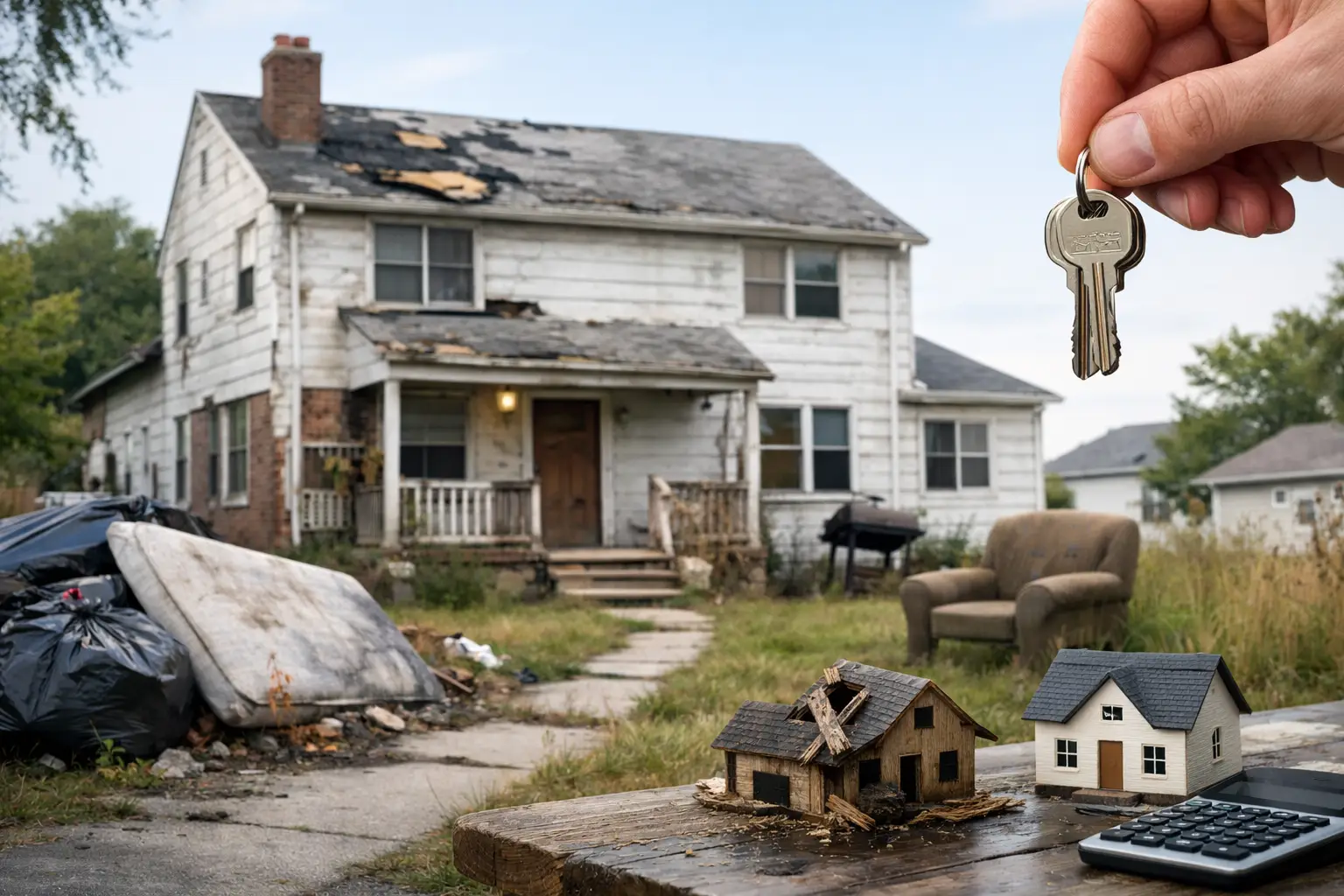
A home does not usually lose value because of one dramatic issue. More often, it happens through a series of smaller problems that buyers notice right away and appraisers document later. If you are wondering what lowers home value, the answer often comes down to condition, presentation, location factors, and how well the home matches what today’s buyers expect in your market.
That matters even more when you are preparing to sell in Hampton Roads or the Virginia Peninsula, where buyers compare homes closely and often move fast when a property feels well cared for. The good news is that some value drops are outside your control, but many are manageable if you know what to look for early.
What lowers home value most often
The biggest value killers are usually not glamorous. Deferred maintenance, outdated features, bad odors, poor curb appeal, and pricing a home too high at the start can all hurt your final sale price. Some of these issues reduce value directly because they affect appraisal or condition. Others reduce value indirectly by shrinking buyer demand.
That distinction matters. A worn roof or old HVAC system may trigger buyer concern because replacement costs are real and immediate. On the other hand, dark paint colors or dated fixtures may not change appraised value much on paper, but they can still make your home feel less competitive and lead to weaker offers.
In practice, buyers blend all of this together. They are not thinking in separate buckets. They are asking a simple question: Does this home feel worth the price compared with the others we have seen?
Deferred maintenance sends the wrong message
One of the clearest answers to what lowers home value is visible neglect. Peeling paint, damaged siding, loose handrails, stained ceilings, cracked windows, and worn flooring suggest that bigger problems may be waiting underneath. Even when the issue is cosmetic, buyers tend to assume the worst.
This is especially true in a coastal and humid region, where moisture-related problems can raise concern quickly. Signs of water intrusion, mildew, wood rot, or poor drainage can make buyers hesitate because they know these repairs can become expensive fast.
Small repairs also carry emotional weight. A buyer may overlook one loose doorknob, but a collection of minor issues makes a home feel poorly maintained. That lowers confidence, and low confidence often turns into lower offers.
Systems and structure matter more than finishes
A dated kitchen is one thing. A failing roof, old plumbing, foundation movement, or an HVAC system at the end of its life is another. Major systems influence both marketability and negotiating power. Buyers may still purchase the home, but they are likely to factor in replacement costs and risk.
Not every older system destroys value. If it has been serviced, works well, and is priced appropriately, it may simply be part of the home’s age profile. Problems usually show up when sellers expect top-of-market pricing without addressing obvious mechanical or structural concerns.
Outdated interiors can make a home feel overpriced
Not every home needs a full renovation before listing. In fact, over-improving for the neighborhood can backfire. But homes with heavily dated finishes often face a narrower buyer pool, especially when buyers are already stretching on monthly payments.
Old carpet, laminate countertops in poor condition, worn cabinets, brass fixtures from decades past, and heavy window treatments can all make a home feel behind the market. The issue is less about trends and more about perceived move-in readiness. Buyers tend to pay more when they believe they can settle in without immediate work.
There is a trade-off here. Some updates bring a solid return, while others do not. Fresh paint, lighting, landscaping, and flooring often help because they improve first impressions without overcomplicating the budget. Full remodels require more careful planning. If the finishes are too personalized or too expensive for the price point, you may not recoup the cost.
Odors, pets, and cleanliness affect value faster than sellers expect
Few things turn buyers off faster than smell. Smoke, pet odors, strong air fresheners, mildew, or cooking smells can make a home feel less clean, even when it is otherwise well maintained. This may sound minor, but it can influence how long buyers stay in the home and how positively they remember it.
Cleanliness works the same way. Dusty vents, dirty grout, stained baseboards, cluttered counters, and overfilled closets make rooms feel smaller and less cared for. Buyers are trying to imagine their own life in the home. If they are distracted by mess or odor, they stop picturing the future and start calculating inconvenience.
Poor curb appeal lowers expectations before the showing starts
Value starts at the street. Overgrown landscaping, faded trim, damaged shutters, an aging front door, or patchy grass can put buyers on guard before they ever step inside. Once that impression is set, the rest of the showing has to work harder.
Curb appeal does not require expensive landscaping design. Usually, it means being tidy, intentional, and well maintained. Pressure washing, pruning, mulch, clean walkways, and a welcoming entry can change how buyers interpret the rest of the property.
This is one of the most fixable parts of what lowers home value, and it often pays off because it improves photos, in-person showings, and overall buyer confidence at the same time.
Location factors can lower home value, but context matters
Some value factors are not within a seller’s control. A busy road, nearby commercial property, flood risk, power lines, awkward lot placement, or a long commute can all affect buyer demand. In some neighborhoods, school zoning also plays a role.
That does not mean a home in one of these locations cannot sell well. It means pricing and positioning need to reflect reality. A beautifully prepared home on a busy road may still sell quickly if it is priced in line with that drawback. Problems tend to arise when sellers compare their home only to the best-positioned properties nearby and ignore location differences.
In Coastal Virginia, water proximity can be a major advantage, but buyers also weigh flood zones, insurance costs, and storm exposure. Those practical concerns can influence affordability and, by extension, value.
Pricing mistakes can create their own value problem
Sometimes what lowers home value is not the house itself. It is the strategy. Overpricing at launch can cause a home to sit, and the longer it sits, the more buyers start wondering what is wrong with it. Price reductions later may help, but the strongest window of attention often comes early.
This is why accurate pricing matters so much. A home that enters the market at the right number tends to attract stronger interest, better terms, and more confidence from buyers. A home that starts too high can end up selling for less than it might have if it had been positioned correctly from day one.
The local market also shapes this. In a fast-moving segment, buyers may still compete despite imperfections. In a more balanced market, condition and pricing discipline matter even more.
What lowers home value during an appraisal
Buyers react emotionally, but appraisers work from evidence. They look at comparable sales, condition, square footage, upgrades, layout, and market trends. If a home has obvious repair issues, an unusual floor plan, unpermitted additions, or condition problems compared with recent comparable sales, value can come in lower than expected.
This is where sellers sometimes get surprised. They may have invested heavily in parts of the home they love, but if those upgrades are highly customized or not consistent with neighborhood expectations, the appraised value may not rise as much as they hoped.
Appraisal value and market value are related, but they are not always identical. The strongest listing strategy accounts for both.
How to protect your value before listing
The smartest approach is not to renovate everything. It is to identify what buyers and appraisers are most likely to flag, then make thoughtful decisions. Start with repairs that affect condition, safety, moisture, and major systems. After that, focus on presentation: paint, lighting, flooring, cleanliness, and curb appeal.
It also helps to get honest local guidance before the sign goes in the yard. A good agent can tell you which issues are truly hurting value in your price range and which ones are just distracting you. That kind of clarity can save money and improve your result.
At Horak Realty Group, this is often where the real planning starts - not with a guess, but with a realistic look at your home, your neighborhood, and the buyers most likely to walk through the door.
If you are thinking about selling, the goal is not perfection. The goal is to remove doubt, protect buyer confidence, and present your home in a way that supports the strongest value the market will give you.

Ashley Horak
Owner | Realtor ® | Coach | Horak Realty Group | REMAX Elevate
or another way